TLDR: Body Dysmorphia
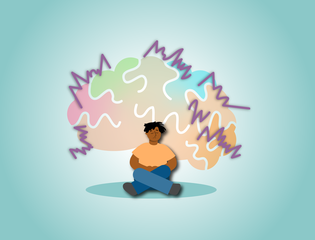
Body dysmorphia is a mental health condition where someone becomes obsessed with a perceived flaw in their appearance that others may not notice.
Signs include constant worry about appearance, repeated behaviours like mirror-checking or skin-picking, and avoiding social situations because of how you look.
BDD can be linked to low self-esteem, bullying, trauma, genetics, or other mental health conditions like anxiety or depression.
BDD needs support when it starts to affect daily life, such as relationships, school/work, mood, or enjoyment of life.
Support usually starts with a GP and can include talking therapies like CBT, medication, or specialist mental health services.
How to define body dysmorphia (BDD)
Body dysmorphia is the obsessive idea that a part of someone’s appearance or body is ugly and needs to be fixed – which could be through over-exercise, plastic surgery, crash dieting or other things like that. Body Dysmorphic Disorder, or BDD, is the medical name for the condition.
Signs of body dysmorphia
Signs that you might have BDD include:
- Worrying a lot about your appearance, so much that it disrupts your life.
- You have habits that help you deal with these worries, such as looking in the mirror a lot or picking your skin. In this way BDD is quite similar to Obsessive Compulsive Disorder (OCD).
- These habits disrupt your day to day life.
- Other symptoms can include anxiety, emotional distress, feelings of shame, drinking lots, loneliness, self-harm or even suicidal thoughts.
What causes BDD?
It’s hard to say what causes BDD. It could be because of low self-esteem, bullying, or abuse. Genetic makeup or stresses such as family conflict are thought to play a part. It can also be seen in some people who have depression or psychosis. Research shows that distorted body image affects young females more often than males, although males can also develop their own body image issues, for example about the appearance of their muscles.
Symptoms of body dysmorphic disorder
Some people with BDD have problems eating. But having BDD doesn’t mean you’ll have an eating disorder, and not all people with eating disorders have BDD.
Some people get fixated on one part of their body, worrying too much about pimples, or the shape of their breasts, nose or penis.
The signs and symptoms of body dysmorphic disorder can involve repetitive behaviours such as skin picking, constantly looking in the mirror or going to a lot of effort to conceal perceived flaws. A person with BDD might find themselves avoiding social situations as much as possible.
When does BDD need treatment?
BDD needs treatment if it affects your day to day life. People who think they’re ugly often withdraw from daily life. They spend less time with their friends; lose concentration on their work and studies, and use up all their time and energy obsessing about the way they look. It can make you very depressed, and takes away your personal freedom and enjoyment of life.
What help is available?
If you think you’re suffering from BDD then you should go and see your GP. You might be worried they won’t understand or think that you’re vain, but GPs know a lot about mental health and are difficult to surprise. They’ll help you access treatment such as cognitive behavioural therapy (CBT), medication or maybe even specialist support.
Someone with a serious eating disorder is often admitted to hospital. Behaviour modification, psychotherapy, group therapy and family therapy can all be helpful. None of this will be done against your will and you’ll have loads of time to ask questions and make sure you’re comfortable with the treatment.
If you think you’re experiencing body dysmorphia, these links might help:
- Beat helps people overcome eating disorders through helplines, online support and self-help groups. Call 0808 801 0677 or, if you’re under 18, call their Youthline on 0808 801 0711.
- OCD Action runs an online community where you can chat to other people with OCD as well as a phone line 0300 636 5478.
- AnxietyUK runs helplines, email support, live chats and therapy services for people with anxiety disorders. 03444 775 774.
Many thanks to Dr Ghazala Afzal and Florence Nightingale Hospitals for their help with this article.
Published