This article was written by Tiayana, 19 yrs old.
What is FOMO?
FOMO = Fear Of Missing Out
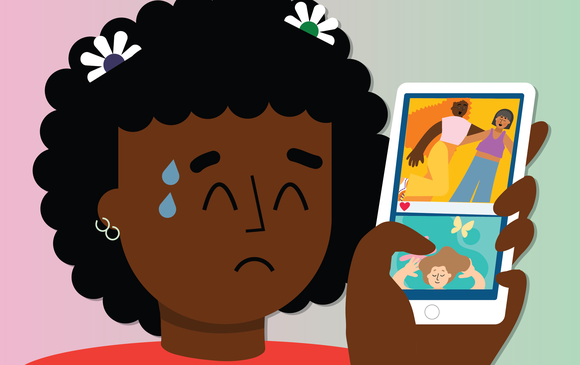
Have you ever been unable to go out with friends or an event and found yourself constantly checking social media, feeling left out or anxious that you’re missing something important? How about checking social media constantly to see what others are doing? What about the need to take advantage of limited time offers? These are all examples of FOMO, a common feeling that can be very worry inducing and even cause envy.
How badly does it affect young people?
- Social media space: Headspace, a mental health charity focused on supporting young people's mental wellbeing, in 2023, stated that after surveying 3,107 young people, they found 51 percent of young people have thought about logging off social media, but FOMO keeps them online. This is despite almost half (44 percent) of respondents agreeing the content they see is more negative than positive.
- Work: Somebody who isn’t frequently invited to after work social activities or even team bonding might feel left out because they don’t have the level of closeness to their coworkers they may want. It can also be the case that you’ve missed a meeting or a day off of work and now feel out of the loop (maybe your team is making progress without you)? Maybe you’ve not been considered for an opportunity to lead or a promotion.
- Sports: On the other hand, somebody may feel left out in a sport that they like. If they see peers training up to 6 days a week whilst they only do so casually, then that can cause FOMO.
- Trends: Things like skincare, viral items or the latest fashion items can stir feelings of jealousy or the idea of being left out. With the rise of social media, items can quickly get popular and fall out of fashion very quickly!
FOMO and mental health
If you feel down about missing out on some of the things listed previously, then it’s important to remember you are not alone! Whilst FOMO can increase feelings such as anxiety, loneliness, reduced social wellbeing, sleep disturbances and declined academic performance, there are several ways to counter this fear.
Overcoming FOMO can be done so in several ways:
- Understand why it triggers you and what triggers you the most: FOMO isn’t just about missing out on plans; it’s often tied to deeper feelings that we don’t always notice straight away. Maybe you feel left out when your friends hang out without you. Maybe seeing people online achieving things—new jobs, side hustles, social events—makes you feel like you’re behind. It could even be something simple, like not being added to a group chat or not being tagged in a post.
- Ask yourself what’s really bothering you? Is it the fear of missing a fun moment, or the worry that you’re not keeping up with everyone else’s highlight reel? Is it about losing connection with your friends, or feeling like you’re not doing enough with your time? These feelings—like insecurity, isolation, or unease—are valid, but they don’t have to control your reactions.
- Getting clear on what sets off your FOMO helps you take a step back and stop it from spiraling. Once you know your own triggers, it’s easier to figure out what actually matters to you—and what’s just noise.
- Create a positive headspace: There are several ways to transform your mindset. Practicing gratitude/thankfulness for the things you already have can make the connections you have or the things you already own feel a lot more valuable.
- Acknowledging your feelings can also help. Instead of burying negative thoughts, you could try to express your views to a friend or even try journaling. This can be a lot more reflective than letting not so positive thoughts spiral and become very overwhelming.
- Be kind to yourself! You can’t be everywhere all at once! That’s okay! Sometimes you might miss things but that might not always be down to you. Attempting to reschedule a meeting with a work colleague or friend or even buying yourself a little gift to make yourself feel better are just some of the ways that can help you feel more hopeful.
- Decide what you want to do: FOMO can make you feel as though you need to attend things you don;t even necessarily enjoy and take you out of your comfort zone in a way that’s uncomfortable. In this case, it’s helpful to build your own hobbies and interests as well as connecting with others in the community. This way you can create what feels fun for you and get involved in what you really enjoy.
You don’t need to be everywhere, know everything, or do it all to be enough. FOMO feeds off the pressure to constantly stay plugged in—but real peace comes from knowing what’s right for you. Unplug, check in with yourself, and remember: you’re not missing out if you’re choosing what matters.
Published