This article was written by Leah, 21.
What is so addictive about phones?
Constantly reaching for your phone throughout the day isn’t unusual, but why do we do it? Our phones allow us access to a wide range of ever-changing content, resulting in surges of dopamine from the brain. Dopamine is a ‘feel-good chemical’, which means we repeat certain behaviours to get our next ‘hit’ of dopamine, like regularly checking social media or notifications.
How heavy phone use impacts your mental health
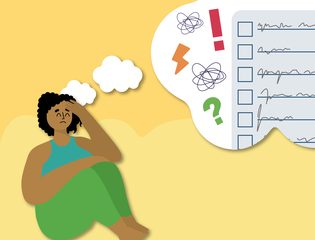
As someone who is actively trying to reduce their screen time, here are some things I’ve struggled with because of heavy phone usage.
- Motivation and focus: Trying to commit to productive tasks, from cleaning my room to university work, seemed impossible. Lots of phone exposure can decrease your sensitivity to dopamine, requiring more stimulation for the same level of satisfaction.
- Attention span: You may have heard of the term ‘brain rotted,’ which refers to excessive scrolling eventually rewiring the brain's reward system. This means your brain craves quick hits of dopamine, especially as more apps like TikTok are moving towards short video content.
- Maintaining a routine: I began to feel like my free time was being robbed. A day I had to myself wasn’t spent doing things that were both enjoyable and made me feel good. What was meant to be a quick scroll led to hours spent on different social media apps which left my mind exhausted and unfulfilled.
It’s not all doom and gloom
The good news is this can be fixed! Here are some tips that should help you rewire your brain and take back your free time.
- The first tip will help you start your day as it means to go on, by avoiding reaching for your phone the minute you wake up. Many of us sleep with our phones close by, meaning our eyes are adjusting to artificial screen light before natural daylight. This makes it much harder to resist phone checking throughout the day as your brain has already fallen into a familiar cycle. Try sleeping with your phone in a different room or at a walking distance from your bed.
- Although this seems contradictory, your phone can actually be used as a tool to combat high screen time. You can turn on greyscale in settings, which makes the home screen appear in black and white rather than colour. This tricks your brain into finding the phone screen less appealing. There are also apps like ‘one sec’ that make you wait a certain amount of time after clicking on an app before you can access it. Doing this blocks the quick dopamine rush that comes from switching between apps making phone time less addictive.
- To help with a shortened attention span, find alternatives to short-form content like scrolling through social media feeds. Not all screen time has to be damaging I find listening to podcasts helpful when doing something productive like cleaning or going for a walk. There are also lots of educational video essays on YouTube that require concentration. This can be a good stepping stone for reclaiming control over your media use by engaging in content that stimulates your mind.
- There are many other things away from screens that are very effective in rebuilding your attention span. These include reading, sudokus, crosswords etc. You can also set a goal to commit an allocated amount of time to hobbies you enjoy or trying out a new skill. This will help your brain respond better to real life stimulation and over time you should see an improvement in your motivation and focus. Some examples of things to try includes cooking/baking, drawing, playing an instrument or learning a language.
The benefits of less time on your phone
Although these have been touched on throughout the article, I thought I’d make a summary of what to expect when you commit to spending time away from screens.
- Discovering new interests and improving your skills: Less time scrolling means more time poured into what you enjoy. You may start to notice yourself getting better at your hobbies and picking up new pass times you’ve been meaning to try.
- More motivation: Your phone is a high-stimulation environment and lots of time exposed to this makes real life stimulants seem less exciting. If you’ve found yourself struggling to commit to things you once enjoyed, time away from your phone can help your old hobbies or new tasks seem more exciting.
- A better routine: Spending my chill time glued to my phone often left me feeling unfulfilled. Not all your time has to be spent productively it’s crucial you dedicate time to focus on yourself. However, hours spent scrolling didn’t leave me feeling rested because my brain was being overloaded. What was more rewarding for my mental health was spending time doing things for myself. This could be shopping, planning meet ups with friends, committing to a new book, trying a different cafe and so on.
Overall, it’s great that you are thinking of monitoring your screen time but remember not to be too hard on yourself. It’s a tough habit to unlearn and just by implementing a few of the tips above you should slowly start noticing improvements.
Published