This article was written by Mia Barnes. Mia is a health and wellness freelance writer with expertise in self-care and mental health. She is the Founder and Editor-in-Chief of the online publication, Body+Mind magazine.
What Is sunshine guilt?
There are few things greater than curling up under a cosy blanket and taking a minute to recharge. However, you might feel a sense of unease when you see rays of sunshine peeking through the window. Those feelings also arise when you scroll on your phone and see people enjoying their day outdoors. It can get to a point when you no longer even feel relaxed while indoors.
These feelings have become so common that millennials and Gen Z are starting to describe them as “sunshine guilt.” However, you can overcome them and enjoy yourself no matter where you happen to be.
Shining a light on sunshine guilt
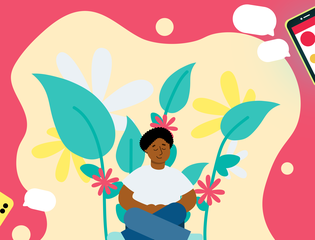
Sunshine guilt is the pressure or remorse you feel for staying indoors on a beautiful day. Sometimes, it can come in the form of constant and nagging anxiety that you somehow can’t remove from your head until you force yourself to go outside.
It’s no surprise that sunshine guilt is widely felt in the UK, considering that a bright and sunny day is hard to come by even in the summer. In July 2024, there were only 5.8 hours of daily sunshine.
Why people feel sunshine guilt
Just the simple notion that you might be “wasting” a perfectly good day is enough to elicit sunshine guilt. However, there are hidden reasons why you may be feeling a lot of anxiety about it.
- Internalised societal pressure: Nice weather has created expectations that you should spend the day outdoors.
- Fear of missing out: When you constantly see people who are having fun in the sun, you start to feel like you’re missing out on good times.
- Personal expectations: You may see yourself staying indoors as a sign of laziness or sadness.
Is experiencing sunshine guilt normal?
Sunshine guilt is becoming a widespread concept that so many people can relate to. However, there may be a deeper meaning for why you feel this guilt.
Sunshine guilt can be compared to seasonal affective disorder, which can cause low mood and irritability. In fact, 10% of people experience symptoms more during spring or summer than during the darker seasons.
However, mental health problems go beyond something you deal with seasonally. It’s something that affects you year-round. In fact, it may become more apparent when you’re triggered by something like the thought of a good day passing by while you’re cooped up indoors.
The good news is that dealing with mental health struggles is not exactly uncommon anymore. For example, around one in five adults deals with mental health disorders throughout America. UK adults also share the same battles.
Should you give in to sunshine guilt?
Sunshine guilt may not seem bad, as its main message is to make you “live your best life” or at least become a little more productive outdoors. However, it takes a toll on your mental and emotional well-being and may even affect your physical health.
Every day is different. Some days, you may need to rest indoors after a hard week. You shouldn’t have to force yourself to head out just because of what you or society expects of you. Learn to give yourself grace.
How to cope with sunshine guilt
Sunshine guilt can be challenging to bear. However, there are ways to ease yourself into letting go of these feelings and feel a little lighter.
1. Reassure yourself of your version of rest
People are different, whether in their personal preferences for resting or in their coping mechanisms. It’s important to uphold that your version of rest is different from the norm that empowers sunshine guilt. If any negative thoughts start to come through, it’s up to you to reassure yourself that you’re choosing what feels right for you.
2. Take a social media break
If you feel like doomscrolling on social media is fuelling your sunshine guilt, maybe it’s time to take a digital detox. It can help you feel more present and content, rather than antsy. Plus, you can devote your time to more restorative activities, whether it’s listening to a podcast or reading your favourite book.
3. Focus on activities instead of location
Sunshine guilt places so much emphasis on where you should be. However, you should also focus on what you’re doing, especially if the goal is to revitalise your mind, body and soul. There are so many activities like yoga, drawing or watching movies that you can do both indoors and out. Allow yourself to be productive inside if that feels right to you.
4. Connect with your loved ones
Sunshine guilt might be more relatable than you think. A survey found that almost half of UK adults spend less than three hours a week in outdoor settings such as gardens and parks. Don’t hesitate to confide in friends and family. You might find some common ground for a lovely chat.
5. Follow your energy levels
Say you’ve decided to stay indoors or go outdoors but start feeling the opposite of what you had originally planned. Learn to listen to your body and energy levels so you understand what you’re capable of. Ultimately, give yourself permission to change plans and go with the flow.
Bid sunshine guilt goodbye
Sunshine guilt may feel well-intentioned at first, but anything that’s negatively affecting your mental health should be reevaluated and regulated. Turn your constant anxiety around and start seizing the day on your own terms instead.
Published