This article was written by Mia Barnes. Mia is a health and wellness freelance writer with expertise in self-care and mental health. She is the Founder and Editor-in-Chief of the online publication, Body+Mind magazine.
Coping mechanisms are a natural part of handling stress, especially when facing a complex problem. Unfortunately, these behaviours can sometimes prolong the process of tackling the issue and the feelings it may bring. Learn about avoidance coping and how you can move away from it.
What does avoidance coping look like?
Avoidance coping is a negative coping mechanism where people deliberately change their habits to avoid having uncomfortable thoughts or feelings. It can also be linked to avoiding difficult responsibilities.
Doing this is not inherently bad, as it involves passive approaches that help you manage your emotions. However, the problem begins when you never leave your comfort zone, as that maladaptive behaviour could lead to negative experiences.
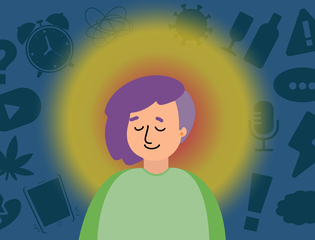
For example, avoidance coping can manifest through escapism. It has been linked to Internet Gaming Disorder and the adverse outcomes that come with it. You can also escape through even more unhealthy habits like drinking and substance abuse.
Why avoidance isn’t the answer
Many people may argue that avoidance is ideal for getting through life, but it’s important to recognise its repercussions in the long term. Here are a few examples:
- It creates additional anxiety: Avoidance coping makes you repeatedly think of how to get away from what makes you uncomfortable. Rather than just dealing with the anxiety of facing the problem, you’re now in a cycle of anxiously running away.
- It limits how you live life: Avoidance coping builds this imaginary line that you psych yourself into believing that you should never cross. Unfortunately, it can indirectly push out opportunities that could help you go through new experiences and grow.
- It affects relationships: You start withdrawing from engaging with the people you love. A study also finds that avoidance coping promotes releasing stress at the expense of other people through negative actions like cyberbullying and catfishing.
- It doesn’t solve the problem: Avoidance coping entails jumping through hoops to avoid or simply forget the problem. Since the issue is never truly addressed, it can worsen over time.
How to recognise avoidance coping
Avoidance coping can fly under the radar, especially with how subtle it is. However, multiple telltale signs signal the behaviour, such as:
- You constantly procrastinate: Procrastinating is relatively normal. In fact, a fifth of adults call themselves “chronic procrastinators.” However, if you’re purposefully putting something off with the intention of never getting around to it, that’s avoidant.
- You avoid being perceived: Being the centre of attention can make you more vulnerable to your stressors. As a result, you do everything in your power to be in the middle of the pack and avoid being noticed.
- You make yourself feel small: Another way avoidance coping occurs is by belittling yourself. You avoid asking for what you want and just go with the flow, as you don’t want to upset anyone else and create conflict.
Slowing down on avoidance coping
Stopping avoidance coping takes time. Frankly, whittling it down to passive coping mechanisms rather than full-blown avoidance is already a good feat. Here are some tips to reach that:
- Distract in moderation: If you are distracting yourself to avoid a particular thought, feeling or task, do it under the premise that you’ll deal with what you need to address later on. Learn to give yourself a time limit for indulging yourself.
- Re-evaluate your self-worth: If avoidance makes you look at yourself differently, pause and re-evaluate. Ask why you look at yourself the way you do. It’s valuable to realise that you deserve to live life without fear.
- Seek therapy: Getting professional help provides further insights about yourself and your coping mechanisms. After all, persistent feelings of anxiety can signal deeper issues you need to sort out. The sooner you address them, the more positive your behaviour can be.
Healthier coping strategies to adopt
Replacing avoidance coping with more active coping strategies can help you alter your response to anxiety and stress. Here are some options for inspiration:
- Gradual exposure: Slowly exposing yourself to a stressor can eventually ease the anxiety that comes with it. However, such positive effects may decrease over time if not implemented properly. Seek assistance from someone you trust or a professional.
- Creative expression: If you feel stressed from a thought, feeling or task, channel that energy into a creative outlet instead. You can create a painting or write a journal entry based on the challenge you’re facing.
- Grounding techniques: Mindfulness practices like deep breathing and sensory awareness can be healthy coping mechanisms for stressful situations. Manage your anxiety before it escalates to default avoidant behaviour.
- Proactive communication: Express your needs and feelings rather than bottling them away to build healthy boundaries without fear. While being assertive does work, you can also gently request what you want.
Less avoidance coping, less additional stress
Avoidance coping is an understandable response when faced with a thought, feeling or situation that makes you anxious. However, permanently avoiding it can only cause more anxiety. Recognise your patterns and learn to face the problem to free yourself from stress.
Published