This article was written by Mia Barnes. Mia is a health and wellness freelance writer with expertise in self-care and mental health. She is the Founder and Editor-in-Chief of the online publication, Body+Mind magazine.
Life is full of options. Decisions pile up quickly, from the moment you wake up and wonder what to wear to the moment you open the fridge and don’t know what to eat. The amount of choices can start to feel overwhelming, whether you’re juggling school, relationships or work.
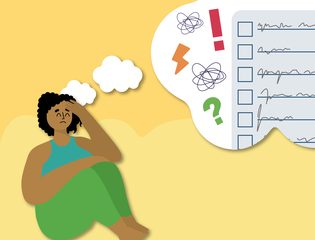
The constant mental strain of having to make decisions is what psychologists call decision fatigue. Luckily, understanding why it happens and how to combat it can help you prevent decision fatigue in the future.
What is decision fatigue?
Decision fatigue occurs when your brain becomes mentally exhausted from constantly making choices. Think of your willpower as your phone battery, and every choice uses a bit of energy.
By the time you’re having breakfast, you’ve already made at least a dozen decisions, and by lunch, you’ve made hundreds more selections. Soon, even small choices can leave you running on low power. That’s when you might struggle to focus, snap at someone or avoid deciding altogether.
Willpower works like a muscle. The more you use it, the stronger it can get, but it also becomes tired when overworked. Even though choosing between cereal and toast doesn’t seem significant, it can still chip away at your mental reserves the way even sending a short text requires a percentage of your phone’s battery.
Why does choosing exhaust you?
You may face selection exhaustion because your brain can only process so much information at once. When you’re young, life already comes with new responsibilities and transitions, so the weight of your choices can feel heavy. You are also not alone in feeling mentally “fried” — 66% of U.S. employees experience burnout, which reduces morale and productivity.
Decision fatigue can show up because you have constant options. Endless choices on social media, streaming platforms and online shopping sites mean you’re making decisions nonstop.
Pressure to get it right also contributes. You might feel every option has enormous consequences, whether it’s exams, career moves or friendships. Without time to reset, your brain also doesn’t recover before the next wave of decision-making hits, meaning you don’t get enough breaks or downtime.
The downsides of decision fatigue
Feeling like you’re too tired to choose between option A or B is about more than exhaustion. It changes how you behave. In time, you may feel anxious, stressed and disconnected. Some of the most common effects include:
- Procrastination: You put off tasks because even choosing where to start feels overwhelming.
- Impulse choices: With less mental energy, you may choose the easiest option, such as eating junk food or scrolling TikTok for hours, instead of doing a beneficial activity or eating a wholesome meal.
- Irritability: Small annoyances become bigger than they should be because your patience is worn thin.
- Mental fog: Concentration is difficult and makes studying or working harder, and you feel uninterested in everything.
How to beat decision fatigue
The good news is that a few strategies can recharge your mental battery.
- Create routines: Having a plan for mornings and meals optimises your decision-making ability. A set breakfast means it’s one less thing to decide.
- Limit your options: Instead of draining your reserves, narrow the choices. Pick three outfits the night before, so you can easily choose the next morning.
- Take frequent breaks: A short walk, stretching and even just deep breathing can reset your focus. Famous leaders like Steve Jobs believed in holding walking meetings to boost brainpower and stimulate energy.
- Sleep and eat well: Good rest and balanced meals give your brain more power to handle those tough choices. Scientists find that the Mediterranean diet boosts cognitive function and reduces dementia, so the same diet may boost executive function or willpower, too.
Building better decision-making habits
When you train your brain to make choices more effectively, you are less likely to slip into fatigue. Like a muscle responds to healthy and responsible exercise by becoming stronger, your ability to decide strengthens when used appropriately.
To focus on strengthening your willpower and avoid overworking yourself, you can try setting priorities. Ask yourself what really matters today and focus on that first. Remember that mornings are when your choosing skills are best.
You can also use shortcuts. Premade choices like “I’ll only check my phone at lunchtime” or “I wear black jeans on Mondays” can reduce the daily mental load.
Trusting your first instinct can also reduce decision fatigue since overthinking can drain your energy. Your gut feeling is often the right one and good enough.
Preventing future decision fatigue
You can’t avoid choosing in life, but you can prevent choices from piling up until you feel stuck. Instead, you can plan ahead by doing weekly meal prep or scheduling study sessions reduces your daily directives. Saying “no” sometimes also helps. Protect your energy by not committing to every event, group or request.
Finally, lean on your support system. Talk about resolutions with friends, mentors and supportive family members to lighten the mental load.
Protecting your mental energy matters
Decision fatigue might sound small, but it significantly impacts your daily life. Healthy selections help you feel empowered instead of drained. Build simple routines, limit options and give your mind time to recharge, and you’ll have more energy for the choices that matter.
Published