TLDR: What is shyness?
Shyness is feeling nervous or self-conscious in social situations, often because you’re worried about being judged or rejected.
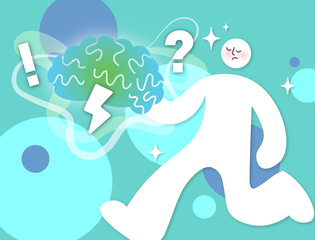
Shyness can trigger physical reactions like a racing heart, tight throat or blushing. Your mind may over-focus on what others think, making small moments feel overwhelming.
Not always. Shyness is a personality trait, but if it starts affecting daily life, confidence or relationships, it could be linked to anxiety or low self-esteem.
Start small. Join a club, try a new hobby, practise speaking slowly, or write down what you want to say. Online communities or counselling services can also help.
If you feel constantly overwhelmed, struggle to speak up, or regularly put yourself down, it may help to talk to a GP, counsellor or trusted adult. You deserve support - and your wellbeing comes first.
For many people, learning to speak louder and make themselves heard only requires time and effort. Others find that, as they get older, their interests change but their quietness stays the same.
What is shyness?
A shy person becomes nervous when interacting with other people. Usually, this nervousness stems from a fear of being judged and rejected by others, and feeling self-conscious or uncomfortable as a result. Reactions to this nervousness change depending on the person, from lashing out in order to regain a sense of control, finding it harder to speak the longer the silence drags on or avoiding the cause entirely.
You might find yourself unable to distract yourself from the knot tightening in your throat, a shuddering heartbeat turning into an anchor’s burden. Your surroundings might feel as if they’re closing in, the shop assistant by your shoulder far too close for comfort, every scrape loud enough to cause a landslide. Amongst it all, shyness takes you by the hand and whispers that shadows make the best company.
Like most personality traits, shyness has its stereotypes: a schoolgirl huddled in the corner of a classroom; a boy who inches closer to his sketchbook whenever someone walks past, looking to his pens and paintbrushes to speak in his place. Introverts, bookworms, good listeners, born artists – whether you fit into these checklists and claw-sharp lines or not, know that it doesn’t define you as a person.
Reaching out
Learning to accept yourself as you are takes time. Gaining confidence takes more than closing your eyes and making a wish, however much we might want to believe otherwise. Start with small steps, and the change you want will come within reach.
Consider opening up to the people around you: the first step, but perhaps the most daunting. Talking to someone about your problems helps, even in a near stranger’s office.
If you don’t want to talk to your family or friends, try:
- Attending a club or society near you. It might take a few sessions to settle in, but finding people you have a common interest with can help you gain confidence and become more comfortable around other people. If you can’t find what you’re after, try a new sport or hobby, whether it’s taking shelter dogs for walks or joining a photography club on a whim.
- Turning to online communities for support. A tactic many people use, and one that The Mix supports by providing forums for you to talk about your day, receive reassurance or feel part of a community.
- Talking to the support services at your university, school or in the NHS. Universities want you to succeed; they’re sure to extend a helping hand. Many of these services can be accessed online, including counselling, support groups and advice tailored to suit your needs.
Sometimes, coping means accepting when everything becomes too much. If you feel your thoughts growing louder, it might be best to take yourself out of the situation. Whenever that isn’t possible, be kind to yourself. If it helps, write what you want to say on a piece of paper, or speak slower and pause when you need to.
Warning signs
Many mental health problems, from anxiety to depression, can be ignored because of how their symptoms are presented. When typical childhood shyness looks like a fear of speaking up, it’s easy for parents to dismiss it as something that time alone can overcome.
Signs to look for include:
- Becoming overwhelmed, even with uncomplicated tasks. You might know how to complete the task, and do it well, but whether it’s the brimming crowd around you or your parents’ eyes looming over your shoulder, getting there feels like more than you can handle. It might be tunnel vision, your face turning red, or becoming aware of every sound around you. However small your mistakes might be, they feel like everything.
- Taking a long time to speak, feeling as if something weighs in your chest and stops the words from coming out. Note that it’s different for everyone – a person with a mental health problem might want to speak up in the middle of class, or reply to the staff in the shop with more than a half-smile and steady stroll towards the door, but self-doubt steps in the way.
- A low self-esteem, making degrading comments about yourself. Whether you stand in front of the mirror and force yourself not to turn away, to inspect the waist you always hated, the bags under your eyes that booked a five year stay, or see every half-hearted conversation as a sign of falling friendship, your pessimistic outlook on life soon outweighs your optimism.
You might find it easier to keep your mouth shut, leaving your insecurities undisturbed. I certainly did. For anyone suffering from a mental health problem, your thoughts can feel far louder than your own voice, slowly falling out of your control. Try to find a place to let your mind rest, if only for a moment. If that feels impossible, there might be a deeper cause worth looking into.
Finding your place
Sometimes, we spend so long looking at our mistakes that we lose sight of the path ahead. That society dismisses our problems makes the situation far worse.
Forcing yourself to meet other people’s expectations can only hurt you in the long run, your self-image, self-esteem and happiness included. Whatever steps you choose to take, know that your wellbeing should be at the centre of it all.
Published