Sometimes living at home can be like living in a ticking time bomb; restrictions and rules can be unbearable, clashes are inevitable. So, it might be worth knowing the answer to “Can your parents kick you out?”
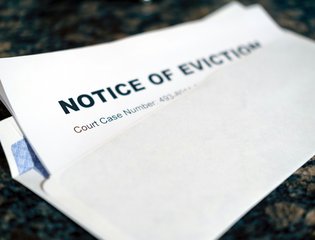
Well… technically, yes. The law says your parents aren’t responsible for you once you reach 18, a.k.a the graduating age. This technically means that they can give you an eviction notice on your 18th birthday. Lovely present.
How to stop your parents kicking you out
If you’re finding it difficult to see eye-to-eye with your parents, getting an impartial third party involved may be the best option. This is called mediation. It basically involves someone who doesn’t know you or your parents, and is simply there to help resolve your issues.
Although each service is different, mediators usually help if you’re aged between 15 and 18, sometimes older. The process goes something like this:
- When you approach your council for help because you’ve left home, they’ll probably suggest mediation.
- A mediator will make sure your parents are on board as well.
- You and your parents sign an agreement so everyone understands what the mediation is all about.
- To get a better idea of what’s causing the problem, a mediator talks to everyone in separate meetings.
- Then, together with the mediator, you’ll work out different ways you could reach a compromise or solution. After that, you’ll try some of those options out over the following weeks.
- The mediation sessions will take place for as long as is felt necessary, but often things are resolved over two or three sessions.
- At the end of the process you’ll get a summary of what was agreed. This is so that you can refer back to it in the future if things ever blow up again.
There are a number of different mediation services you can go to. If you go to your local council for help because you have been kicked out, they will usually direct you. You can also contact the Family Mediation Council or ask your school or college.
When family mediation won’t work
There are times when mediation isn’t the right choice. For example, if you’re leaving because there isn’t enough room or because of an abusive relationship. It’s also worth noting that both you and your parents must agree to mediation for it to take place. If this is the case, when you approach your council for help, make sure you tell them about these circumstances.
On the other hand, if your parents agree to the mediation but they don’t want you to live with them whilst it happens, the council will probably put you in emergency accommodation. After reading all this you really feel that the issues can’t be solved then you could classify as homeless.
Published