This article was written by Emily, 20.
When I left high school, my parents trusted me with my first-ever allowance. They thought I’d manage it well because I was a reasonable and serious teenager. Wrong! I blew it impulsively every month on plushies, clothes, and anything I found cute.
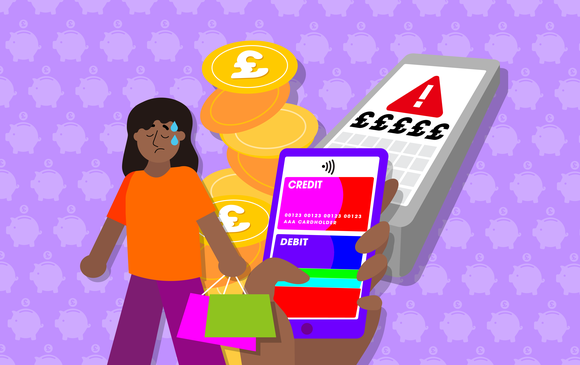
If you’ve ever gone out for milk and come home with a new outfit, scented candle, or takeaway dinner, you might also be an impulsive spender. We’ve all been there. Impulsive spending can be fun in the moment, but often leaves us feeling guilty later. So why do we do it, and how can we keep it under control?
What is impulsive spending?
Impulsive spending is when you buy something on the spot without planning to. It could be a chocolate bar at the checkout or splurging on concert tickets because they popped up on Instagram. These purchases are driven by emotion and want rather than need.
In a recent survey by finder.com, 86% of UK adults admitted to impulse buying and stated they spend an average of £200 a month. That’s a big chunk of your budget if you’re not careful.
Why do we spend impulsively?
Many reasons push us to spend impulsively. Here are a few that you might recognise:
Emotional spending
Shopping gives a temporary mood boost. Feeling stressed, lonely, or bored? Buying something new can feel like instant relief, even if it only lasts a short time.
Marketing tricks
From the moment you step into a store or scroll through an online page, you're nudged to buy.
For example, “Limited stock” labels trigger fear of missing out (FOMO), which pushes you to act fast before the product ‘disappears’.
A study published in Marketing Letters found that scarcity cues like “only 2 left in stock” increase sales, even if customers weren’t originally planning to buy the item. This effect is driven by anxiety that you’ll regret missing out on a deal or an exclusive product.
Designs are also curated to catch your attention and give the impression that a product is better than it really is. Think about premium packaging: shiny gold details on a chocolate bar, or minimalistic branding on skincare. This gives off "luxury and quality" vibes, even if the ingredients or taste are average.
Bright sale signs like “50% off today only” in bold red are another classic tactic. Red is associated with urgency and action, which is why it’s used in clearance sales to promote impulsive decisions.
Also, online, free delivery thresholds work the same way. If your order is £23 and free delivery starts at £25, many of us add a random £2 item to “save” on delivery, when in reality, we’ve spent more than intended.
Social media influence
Seeing influencers and friends post new purchases makes us want to buy things we would have never thought we needed
Convenience culture
With Apple Pay and one-click checkouts, spending is easier than ever. There’s barely time to reconsider before the order goes through.
What happens when you spend impulsively?
Treating yourself occasionally is fine, but frequent impulse buys can:
- Drain your savings - Those little purchases add up fast.
- Cause regret or guilt - Especially if you’re trying to stick to a budget or you're worried about overconsumption.
- Lead to debt - If spending exceeds your income, it can spiral into overdrafts or credit card debt.
- Delay your goals - Money spent impulsively could have gone towards travel, education, or other priorities.
- Clutter your space - If you make a lot of impulsive purchases, chances are your living space will get messier because you will run out of storage space.
How to manage your impulsive spending
The good news? You don’t need to cut out all treats to control your spending. Here are some practical tips that I've implemented myself:
Reduce your big splurges
My first step was trying to reduce my "big splurges". I would decide that I may not get a new dress, but I could get myself a coffee instead. This helps reduce the big impulsive spends and pushes you towards more reasonable "treats" that don't mess with your budget. This method is a useful stepping stone.
Pause before you buy
Next time you’re about to buy something, pause for 24 hours. Ask yourself: "Do I want this, or am I just feeling bored/stressed/lonely right now?"
Set a treat budget
Allow yourself a set amount each month for guilt-free spending. This helps you enjoy treats without overspending.
Use lists
Shopping with a list reduces temptation and keeps you focused on what you need. This is particularly useful for online shopping : You can make a list of what you need and compare it to what you already have.
Unfollow temptation
If certain influencers or brands constantly trigger you to buy, try muting or unfollowing them for a while.
Find alternatives to shopping
If you spend to deal with emotions, try exploring other mood boosters like a walk, calling a friend, or doing something creative, which can provide relief without spending money.
So what if I am an impulsive buyer?
Remember, it’s normal to spend impulsively now and then. We’re human. The key is recognising the pattern and building habits that support your bigger goals.
Think about what you truly want your money to go towards. A weekend away with friends? Clearing student debt? Starting an emergency fund? Keeping these goals in mind makes it easier to say no to impulse buys that don’t align.
Spending money shouldn't be draining or random. By understanding your triggers and making small changes, you can take back control of your finances and spend on what matters to you.
Published