Creating an accessible workplace isn’t just about ticking the legal and ethical boxes, it’s about nurturing an environment that is inclusive of everyone’s needs. It’s a place where people should feel valued, motivated and part of something meaningful. So, how can workplaces be inclusive for all? And is your workplace really accessible?
What does accessibility mean at work?
Accessibility means access. A workplace (or any place) should provide access to everyone as much as possible. It should consider the needs and differences of everyone who uses this space.
Examples of workplace accessibility include:
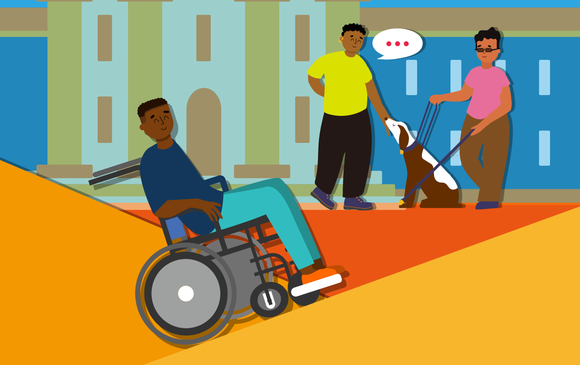
- Installing ramps and/or elevators for wheelchair users
- Providing mental health support to all members of the team
- Screen readers and other tools for people who visual and/or audio impairment
- A workplace culture that fosters a sense of belonging
There are many other examples of workplace accessibility but, ultimately, true accessibility means recognising that a workplace is never one-size-fits-all.
Is your workplace accessible?
All workplaces vary in accessibility due to its employee’s needs and the type of environment they’re working in. For example, an office’s accessibility needs might be very different to a factory’s.
You might be wondering if your workplace is truly accessible, and there are a few questions you can ask yourself to find the answer.
Does my workplace feel wheelchair accessible?
Are the corridors wide enough for those with mobility needs? Can you open doors without difficulty? Are the rooms tidy or blocked with boxes and various other objects?
Is there clear and accessible communication within the team?
It’s easy to assume that everyone talks and emails in the same way, but this isn’t always the case.
People whose primary language isn’t the one commonly used in their workplace can find it difficult to communicate.. Those with visual impairments and hearing difficulties can also find it hard to read emails or take part in meetings.
Tools including screen readers, online interpreters and captioning can make a huge difference to a person’s sense of belonging and motivation in the workplace - contributing to a more collaborative and productive environment for everybody.
Does my workplace culture foster awareness and support around mental health?
Mental health is a vital part of accessibility but it’s often the most overlooked. The world is changing though, and more workplaces are fostering a more supportive mental health culture. Signs of this can include:
- Normalising conversations around mental health
- Regular check-ins
- Mental health days
- Access to mental health resources
- Access to counselling (either through an Employee Assistance Programme or similar)
- Designated safe spaces (quiet rooms)
These questions can be a great starting to building even more inclusive and accessible workplaces, but ultimately it comes down to two crucial questions:
Do people feel safe here?
Do they feel like they belong?
If you can confidently answer these questions with a yes - great, you’re in the right place! If not, then consider your options - this might mean talking to your manager about how you feel or looking for another job that meets your needs and expectations.
Nothing about us without us
‘Nothing about us without us’ is a phrase that came out of the disability rights movement and is as relevant as ever in today’s workplace.
Accessibility cannot just be imposed from senior management. It must be built in partnership with the people who have accessibility needs - the real experts in navigating barriers.
Meaningful accessibility starts with the right intentions, and it can be easy to tell if a workplace genuinely cares about providing an inclusive space or if they’re just ticking a legal box.
This means not just inviting feedback, but acting on it. It means hiring a diversity of people into leadership roles, and it means valuing their contributions as central to the success of the business.
Why accessibility matters
Accessibility may be a legal requirement, but that doesn’t mean it should just be treated as such. It’s about recognising that everyone has needs, and everyone deserves to have those needs met.
It’s about recognising the unique talents and strengths of everyone on the team, and how those talents can contribute to more open, resilient and effective workplaces. It’s a consistent and collaborative effort from every member of the team towards making everyone feel included. A space where seen and unseen disabilities and conditions feel acknowledged, and a place where people can come together to appreciate what makes us human.
And it can start right now, today, with you.
Published