TLDR: Am I pregnant?
If it’s been less than 5 days, you can still take the morning after pill — the sooner, the better. If it’s been longer, you’ll need to wait and take a pregnancy test.
Common symptoms include nausea, tender breasts, increased discharge, food cravings or a metallic taste - but these can also happen for other reasons, like stress or PMS.
Wait until your period is at least one day late (or 3 weeks after unprotected sex if your cycle is irregular). Testing too early can give a false negative.
Yes - when used correctly and at the right time, they’re about 97% accurate. A positive result is usually reliable; false negatives are more common if you test too early.
Book an appointment with your GP or visit a sexual health/family planning clinic to talk through your options. And try not to go through it alone — reach out to someone you trust for support.
Have you had unprotected sex?
First things first. If you’ve had unprotected sex within the last five days then you can still take the morning after pill. The earlier you take it the more effective it is, so within 12 hours of the sex is best. This will lower your chances of getting pregnant – although it’s not guaranteed.
It sounds incredibly obvious, but if you’ve not had sex then you can’t be pregnant. Even if you’ve had sex, as long as you protected yourself the chances of pregnancy are low. Remember that women’s bodies are complicated and we miss periods for all sorts of reasons. Don’t automatically assume you’re pregnant just because Mother Nature isn’t behaving this month. The stress of worrying about a late period can sometimes delay it further.
Symptoms of pregnancy
If you did have unprotected sex – and it’s too late to take the morning after pill – there are common symptoms associated with early pregnancy:
Nausea
Although it’s commonly known as ‘morning sickness’, feeling sick can strike at any time, day or night. You won’t necessarily be sick, but could just feel generally nauseous.
Breast soreness
Your boobs may become bigger and feel tender, with more prominent veins and darker, slightly tingly nipples.
More discharge
If you notice an increase in your vaginal discharge – but nothing down there is sore or irritated – then it can be a symptom of pregnancy.
Odd tastes
You might have a strange metallic taste in your mouth and/or crave certain foods. You may have also gone off something you normally love, i.e. coffee.
It’s worth noting that if you have any of these symptoms, don’t freak out and automatically assume you’re up the duff. These are things your body can do for all sorts of other non-pregnancy-related reasons, like being pre-menstrual or having a stomach bug. But if you notice yourself mentally checklisting these symptoms and you’ve had unprotected sex, then you should start thinking about taking a pregnancy test.
Taking a pregnancy test
We know it’s sometimes much more tempting to buy a child’s sandpit from Argos and stick your head in it for all eternity, but if you think you’re pregnant you really should take a test. It’s much better to know sooner rather than later so the full range of options is available to you. You can either make an appointment with your GP, do a home test, take a urine sample to the chemist, or visit your local GUM clinic or Brook centre.
Try to resist the temptation to take a test until your period is at least one day overdue. Although lots of home tests boast they’re able to give results earlier than this, it’s best to be patient. The pregnancy hormones are very low in these early stages, so tests may tell you you’re not pregnant when you actually are.
Don’t do it alone
Whether you’re desperate to get pregnant or couldn’t think of a bigger nightmare, taking a test is an emotional rollercoaster you shouldn’t have to go through alone. Whether it’s a friend, boyfriend, your GP or a trusted professional, try and talk to someone about how you’re feeling and what you want the result to be.
Pregnancy testing
Whether you've missed a period or you're feeling a bit peculiar, taking a pregnancy test will help you know for sure whether you're pregnant, so you can decide what to do next.
When to take a test
If you think you’re pregnant, it might seem like a really long wait, but doctors recommend you don’t take a test until your period is a day overdue. If you can’t tell whether your period is late or not, because of an erratic cycle, or because you’ve taken the pill without a break, then you should wait three weeks after unprotected sex before you take the test. Lots of home pregnancy tests claim to be able to give results earlier than this. The First Response Pregnancy Test for example, can detect pregnancy hormones in 52% of women three days before their period is due.
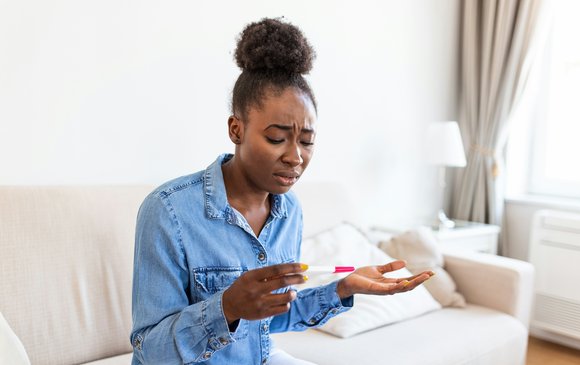
If you’ve decided you want to take a pregnancy test, first you’ll need to think about how you’re going to feel either way. Whether it’s negative and you’re not pregnant, or it’s positive and you are, you could be left feeling happy, disappointed or even distraught. It may be worth having a trusted friend or family member on hand for emotional support.
Go to see your doctor
Your doctor (GP) will be able to give you a very accurate pregnancy test, with instant results, as well as offering you confidential advice on what to do next. At many doctors’ surgeries tests are free and if you’re uncomfortable using your family doctor, you can ask to see someone else without giving any reasons.
Go to a family planning clinic
Many family planning clinics offer free pregnancy testing. Brook, for example, offers free tests to under 25s. It also offers counselling and will carefully go through all the options available to you, without pressuring you in any direction.
Take a urine sample to a pharmacist
Some pharmacists offer confidential pregnancy tests. That way you don’t have to worry about interpreting it yourself.
Buy a home pregnancy testing kit
Home pregnancy testing kits can be bought from chemists and most supermarkets. They are easy to use, on the whole, and can be very effective. Consumer tests show them to be, on average, 97% accurate when taken correctly and on the day your period is overdue. They vary slightly in price, but you can get a twin pack from about £5. Clearblue has developed a digital test, for about £8 for two, which displays the words “pregnant” or “not pregnant” to avoid any confusion over colours and lines.
How they work
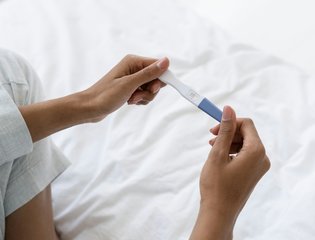
Most home tests involve you either peeing on a stick, or dipping a stick into a urine sample. It’s not complicated, but you have to make sure you remember several things:
- Pee on the right end of the stick;
- Pee on the stick for the right amount of time;
- Most tests recommend that you use them first thing in the morning.
The results take just a few minutes to show, but you can only read them for a certain amount of time. After this time the result can change to show a wrong result.
Possible problems
When taking a home pregnancy test, it may be possible to get a false result. This can be a false negative reading, which is slightly more common, or a false positive reading, which is very rare, so you should bear in mind that a positive result is a good indication of pregnancy.
A false negative can be caused by:
- Taking the test too soon: This is the most common reason for a false negative, because the hormone that shows you are pregnant is not detectable yet;
- Using the test incorrectly: Almost all other false negatives come from the test being used incorrectly, so make sure you read the instructions very carefully.
A false positive result can be caused by:
- A ‘chemical pregnancy’: This is basically a very early miscarriage that you wouldn’t usually notice, and you go on to have a normal period afterwards;
- Medication: There are a few drugs which have the pregnancy hormone in that may give a positive result – these are usually infertility treatments, but if you’re unsure ask your doctor;
- Using the test incorrectly: A false positive can be caused by using the test incorrectly.
The contraceptive pill, implants and the contraceptive injection won’t affect your results as they don’t produce the hormone which pregnancy tests detect.
What next?
If you’re at all unsure about whether you’re pregnant, there’s no harm in taking another test, or going to see your doctor to confirm anything. If you get a positive result make an appointment with your doctor for health advice and counselling, whether you want to keep the baby or not.
Published