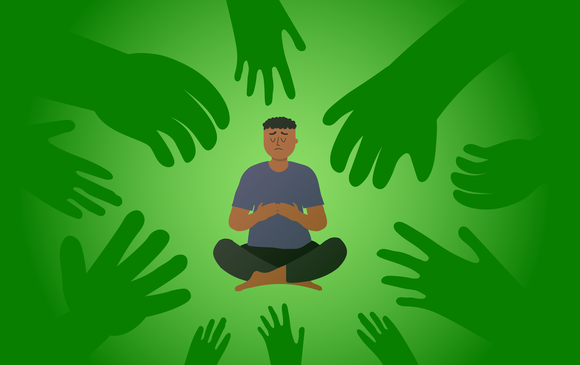
TLDR: Male rape
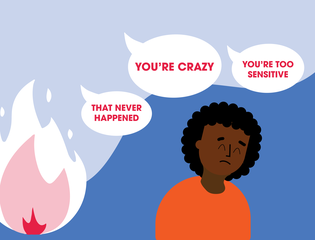
Yes. Sexual violence can happen to anyone, regardless of gender or sexuality.
No. Abuse is never your fault - being unable to fight back doesn’t make you weak.
No. Sexual assault doesn’t define or change your sexual orientation.
Most survivors know their attacker - that doesn’t make what happened any less serious.
Specialist services for male survivors offer confidential support — you don’t have to deal with this alone.
When a man is the victim of sexual abuse or rape he may find it particularly hard to cope with because it’s still often seen as such a taboo.
But the harsh reality is that male rape, gay rape and sexual abuse does happen to boys and men too, and gay and bisexual men may be more likely to experience sexual assault or sexual abuse than the male population as a whole.
It wasn’t your fault
If you are a survivor of sexual violence, the first thing you must come to terms with is that it wasn’t your fault. No matter what your abuser may have told you, you weren’t responsible for their actions – they were.
Gay rape can happen in queer spaces you may have considered to be safe, and straight men can certainly be targets as well.
James, 24, from Slough, was 17 when he was attacked in a deserted car park. “Two blokes came up and asked me for a light. As I fumbled in my pocket, one punched me and I fell to the ground. While one held me down, the other sexually attacked me. I’ve gone over it a million times wondering what I did wrong and how I could’ve prevented it from happening.”
Could I have stopped the rape somehow?
No matter what your gender is, it’s likely you’ll experience feelings of anger and shame after sexual violence. But for men it is very common to feel as if you should have been able to stop it because society portrays men as being ‘strong’ and able to defend themselves. But this isn’t the case – men are put in an equally helpless position as women when being abused.
James continues: “I lost all my confidence and self-respect. I couldn’t tell my family and was too ashamed to talk to my mates; they would’ve wondered why I didn’t defend myself. It became pretty hard for me to see myself as being worth anything at all.”
I knew my rapist
Usually, the person who abuses is someone that you may have already known, like a trusted family friend, relative or even a partner. But it can also be a complete stranger. Either way, the abuser will usually attempt to make you feel as if you played a part in why it happened. They may also threaten you to agree to keep their actions a secret. This was the case for James. “Their parting shot was to keep my mouth shut if I didn’t want to get more of the same. At the time I didn’t think I’d ever tell anyone,” he says.
Does this make me gay?
Many men who have been sexually abused by another man wonder if this now makes them gay, especially because being touched in a sexual way, even without consent, can be arousing.
However, being a male survivor of sexual assault or rape doesn’t dictate your sexual orientation. Based on most statistics, heterosexual and gay men are equally likely to be sexually assaulted.
How do I get help for male rape?
Being able to face up to what’s happened to you is the hardest but most crucial step. You may only be able to deal with it after a long period of time. But even though your experience is unique, don’t think you’re alone. Going online and chatting anonymously can be extremely helpful and healing as you’ll ‘meet’ other people who understand what you’ve been through. You can gain strength by telling your story to other survivors and feel empowered by hearing how they dealt with what happened to them.
Phoning a helpline like SurvivorsUK is another way for male victims of sexual assault or rape to get advice and support. Text on 020 3322 1860, or if you don’t feel comfortable talking on the phone then you can use their Web Chat or Text Chat services. If you want, they’ll be able to put you in touch with support groups and counsellors in your area.
“I found out about a survivors’ group, it didn’t take them long to sort out counselling. Now, I’ve got a girlfriend and want to go back to college. My attackers thought I wasn’t worth anything, but I know now they were wrong,” says James.
How to help a male rape victim
If your partner or friend has confided in you, be patient and offer to assist them with some practical help. Phoning a helpline or finding a counsellor may not take much time, but could make all the difference so that they can move on with their life – you can also get some help for yourself to deal with the situation too.
“Remember that they have made themselves extremely vulnerable by letting you into their world. And you may just need to be there for them by listening and being non-judgemental.” James adds.
Never give up
Sometimes it can feel like getting help is a mountain that’s just way too high to climb. But according to Jody Kozak from SurvivorsUK, it’s really important to acknowledge that things take time. “The first step is often the hardest. It’s difficult to tell someone you’ve been abused so it’s often best to read a book first as that’s really private and there are a lot of good ones out there. But once you’re ready to make contact, it’s important that survivors seek out support services that have specific knowledge about these issues. There’s help out there, make sure you keep trying until you get what you need.”
Published