TLDR: Parasocial relationships
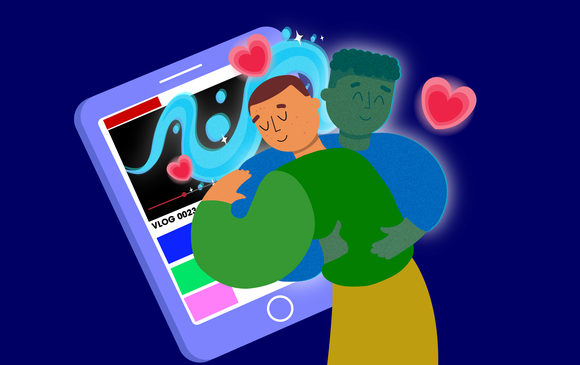
A parasocial relationship is a one-sided emotional connection with a celebrity, influencer, or fictional character. You might feel close to them, even though they don’t know you exist.
You may follow them across platforms, feel deeply affected by their wins or losses, defend them online, or feel understood by them more than people in your real life. When your mood or identity starts revolving around them, it could be more than casual fandom.
Yes. It’s common to feel attached to characters or creators — especially if they bring comfort, consistency, or escapism. It only becomes a problem if it replaces real-life connection.
They often meet needs like belonging, distraction, or emotional safety. Online spaces can feel predictable and easier than navigating real-world relationships.
Notice how much time and energy you’re investing. Make space for offline hobbies and friendships, set boundaries around screen time, and remind yourself that real connection is two-sided. If it’s affecting your wellbeing, talking to someone you trust can help.
This article was written by Tiayana, 19.
Parasocial relationships can be most notably defined as one-sided connections where an individual feels a sense of intimacy, friendship, or familiarity with a media personality, celebrity, or fictional character, despite the other person being unaware of their existence.
Signs of a parasocial relationship
Think of a show that you watched where you felt deeply connected to a character. Did the connection feel profound? Did you feel an emotional attachment to them? Maybe you went further and did some research into the actor. Perhaps you even watched their interviews and TV appearances.
These can be the very beginnings of a parasocial relationship (although it might not seem like much at first).
Alternatively, you may have followed them across multiple platforms. What was at first a subtle interest became an infatuation and deep attraction:
● You might have followed them across multiple social media platforms,
● Their setbacks and achievements felt like your own.
● Their feelings were now your feelings too.
● You felt understood by them in a way that nobody else had before (or anybody you could have known matched).
● You defended them profusely
● You bought their merchandise or anything they endorsed without second thought
My experience
One way this bond may manifest itself differently, for example, a lot of people write self inserts or fanfiction where they place themselves in the same fantasy world of their favourite character.
As someone who was perhaps given internet access way too young, I quickly felt like the people I watched play games on the web were more engaging than the outside world. I couldn’t wait to rush home and resume the countless videos uploaded when I wasn’t looking at a screen.
But even then the characters in SpongeBob, Pokemon, Peppa Pig, Bob the Builder (and more!) quickly felt like familiar friends, companions who existed in a predictable, entertaining world where I could control the pace of interaction and feel a sense of connection that real life didn’t always provide. Their consistency, humor, and accessibility made them more reliable sources of comfort and excitement than many of the people around me.
This is where the trouble can lie.
How to find a two-sided joy
Getting attached to people online or in media is normal, but it can become a one-sided connection that doesn’t really meet your social needs. To manage it, here are a few tips:
● Start by noticing how much time and energy you spend on them and try to set limits.
● Make space for real-life interactions—hang out with friends, join groups, or pick up hobbies that keep you engaged offline.
● Think about why you feel drawn to this person or character; often it’s because of loneliness, boredom, or wanting comfort.
● Remind yourself that online personalities or media figures aren’t actually your friends,
and focus on building relationships and experiences that involve real connection.
● If it starts to affect your mood or daily life, talking to someone you trust, like a counselor, can help.
Parasocial relationships are nothing to be ashamed of and are certainly not uncommon.
They can provide comfort, entertainment, and a sense of connection, especially during childhood or times of loneliness. However, it’s important to balance them with real-life relationships and activities to ensure emotional well-being and healthy social development!
Published