Why have I missed my period? What if I’m pregnant?
Late or missed periods can be caused by many things. It’s usually nothing to worry about and many people will have a missed or late period at some time.
Common causes include:
- Being pregnant
- Stress
- Polycystic ovary syndrome (PCOS)
- Sudden weight loss
- Doing too much exercise
- Being overweight
- Taking the contraceptive pill
Sometimes the gap between your periods is just different. Your periods might come early or late. This is known as having irregular periods.
If you think you could be pregnant – if you’ve had unprotected sex, missed a pill or the condom split - don't panic, take a pregnancy test.
I’m not pregnant, so what can I do about my missed period?
- Stop worrying. Missed or late periods are often caused by stress, so while we know it's hard not to, worrying about it won't help
- See your doctor. If you’ve not had a period for two months, make an appointment with a doctor who can investigate what's going on
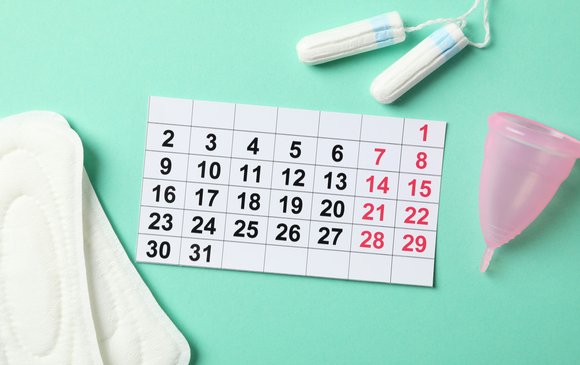
- Record your cycle. If you’re having irregular periods, keep a record of your cycle using a tracking app or calendar to talk through with a GP
- Speak to your mum or sisters: If there’s family history of any similar problems it might help you work out what’s wrong
So is it normal to miss a period? Help!
Yes, it’s pretty common for women to miss or have a late a period every once in a while. Occasionally it can be a sign of something more serious, so it's worth keeping track of what you're seeing and seeking medical advice if you're worried.
When will my periods come back?
That depends on why they stopped. If something in your lifestyle (e.g. stress, or exercise) made them stop, it can take a few months. If you’ve had a baby, they normally return once you finish breastfeeding.
Cutting out some of the bad stuff (such as excess alcohol or smoking) and increasing the good stuff (a healthy balanced diet, getting enough rest and working to manage stress in your life) can help your body to get back into balance.
I stopped taking the pill and haven’t had a period since
It can take a while for your periods to get back to normal after you stop taking the contraceptive pill. Anything between three months and a year is considered normal.
Can depression affect my periods?
It can, especially if your depression is caused by stress. Focusing on eating well and exercising can help, but speak to your doctor if you’ve missed several months.
I’ve been seriously ill and my period stopped
Any illness affecting your reproductive organs or their hormones, such as ovary damage, autoimmune ovary disorder and Turner’s Syndrome, can affect your periods, as can any serious illness.
Sometimes being treated for an illness can cause missed periods - for example, certain medications are known to have an impact. You should check with your GP if you’re unsure about any of your medication.
More serious problems associated with missed periods
Aside from the usual suspects, there are more serious reasons for missed periods, such as:
- STIs: Chlamydia is particularly dangerous as it often shows no symptoms and can cause infertility if left untreated
- Hormonal conditions: For example hormonal or masculinisation disorders.
- Polycystic Ovary Syndrome: PCOS causes eggs to develop into cysts. If they remain untreated they can build up and enlarge, causing a variety of problems ranging from acne and excess hair growth, to diabetes, infertility, heart disease and cancer
- Ectopic pregnancy: This is where a pregnancy develops outside the womb, for example in the fallopian tube or the cervix. If it goes unnoticed, surgery may be required, which can cause infertility
- Anovulation: When the egg doesn’t develop and get released properly. There are many reasons for this. Premature ovarian failure (also called premature menopause) is one example. One in 1,000 15-29 year-olds and one in 100 30-39 year-olds suffer from premature ovarian failure
Help, I’ve never had a period
If you haven’t had a period by the age of 16 you may have primary amenorrhea — a rare condition that affects one in 300 girls and women. In many cases it’s nothing to worry about - often it's simply down to the late onset of puberty. However, if they haven’t turned up by the age of 17, we recommend going to see your GP, as there could be an underlying medical problem.
As with all missed or late periods, try not to panic. There are lots of reasons why and most are treatable or nothing to worry about. We're not medical professionals here at The Mix, but A GP can provide advice that will help you.
Published