TLDR: Children to Adult Mental Health Services
It’s the process of transferring care from CAMHS (usually up to age 18) to adult mental health services, which work differently and focus more on individual responsibility.
New services, new professionals, and less family involvement can feel unfamiliar and unsettling, especially if support changes suddenly.
CAMHS teams, your GP, family or friends, and mental health charities can all help guide you through the process and answer questions.
Yes — feeling nervous, unsure, or worried is very common, and it doesn’t mean you’re doing anything wrong.
You can talk to your GP, ask your current mental health team for support, or reach out to organisations like The Mix for confidential advice and reassurance.
This article was written by Hana, 19.
Change is a natural part of life, but when it comes to mental health, transitions, especially from children to adult services, can feel overwhelming and uncertain.
For many young people in the UK, moving from child and adolescent mental health services (CAMHS) to adult mental health services marks a significant milestone, often accompanied by feelings of anxiety, confusion, and fear of the unknown.
At The Mix, we want young people to know that they are not alone, and support is available every step of the way.
Understanding the transition
Children’s mental health services in the UK typically provide support tailored to developmental stages of young people aged up to 18. These services focus on a holistic approach, involving families and carers. As young people grow older, they are encouraged to move into adult mental health services, aiming to meet the needs of individuals ages 18 upwards.
However, this transition can sometimes feel daunting. Different service providers, new environments, and changing support structures can leave young people feeling unsure about what to expect or how to access help. It is important to remember that feeling apprehensive is normal and change can be scary, but it also opens the door to new opportunities and continued support.
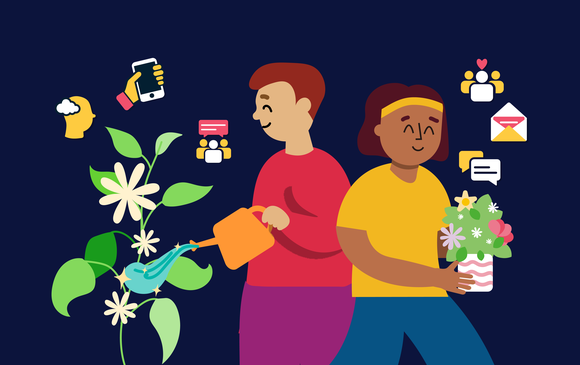
Who can support you?
Support during this transition:
- Mental Health Services: If you are already involved with CAMHS, their team can guide you through the transition process and provide information about adult services. It is okay to ask question and express any concerns.
- General Practitioners (GP) and Primary Care: Your GP can be a consistent point of contact and can help coordinate care, provide advice and carry out referrals to most appropriate services when you are ready.
- Family and Friends: Trusted loved ones can offer emotional support, help you prepare for the change, and support you to appointments if needed.
- Mental Health Charities: Groups like THE MIX offer confidential advice, online communities, and resources to help you understand your options and feel more confident about managing your mental health.
- Peer Support: Connecting with others who have experienced similar transitions can be reassuring. Sharing stories and tips can make the journey feel less lonely.
It's okay to feel anxious
It is normal to feel anxious or unsure about these changes. Your feelings are valid and acknowledging them is a healthy step forwards to managing them.
Change can challenge our sense of stability, but it does not mean you have to face it alone. Reaching out for support, talking about your feelings, and taking things at your own pace are all important way to navigate this period.
You are not alone
The transition from children to adult mental health services is a significant step, but it is just one part of your ongoing journey. Support networks are there to help you, and many young people have successfully navigated this change. Seeking help is a sign of strength, not weakness.
If you are feeling anxious about the transition or unsure of what to do next, contact The Mix. They are here to listen, provide advice, and connect you with the right support. You do not have to go through this alone. Help is always available and there is always someone who is more than happy to listen and help.
Published