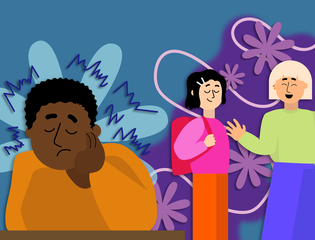
Feeling lonely at university is incredibly common — even if no one’s talking about it. Two young people share their experiences, top tips, and messages of hope for anyone who can relate...
Rebecca's story
“University is the best time of your life. I met all of my best friends at university. Everyone does.”
If you’ve heard these words, you’re not alone. For the majority of us who see university as the accumulation of our educational careers, the jump from A Levels can be daunting. Below, you’ll find a hand-crafted survival guide, designed to help you cope with this new chapter in your life.
Be kind to yourself
Particularly for students living off-campus, university can be far quieter than expected. Without music blaring from second-hand speakers, the clamour of voices listing their favourite books, films and how they broke their arm from playing pirates in their dad’s garden, any fresher would flee to the solace of their bedroom, and throw themselves upon the mercy oftheir favourite band.
In such a chaotic time of your life, it’s easy to let your negative thoughts take control and to pressure yourself into behaving how people expect you to. Most people, if they have an ounce of compassion, don’t bat an eye if you order a diet coke rather than vodka or cocktails. If anything, they’ll be glad of the company, and to have someone sober enough to remember the night’s events.
So take a deep breath and trust that tomorrow will be better. Remember: time is on your side.
Try something new
As cliché as it sounds, many people find that societies sit at the heart of their university experience. Societies help you connect with people who have similar interests, from sports to Taylor Swift.
However, even with common experience, friendship takes time. Don’t be disheartened if, after two meetings, the person with the Doc Martens sits next to someone else or fails to turn up. Friendship is like fireworks: it arrives when you least expect it, and show the most beautiful performance when given time to bloom.
Other opportunities for friendship include:
- Society socials, from bar and bookshop crawls to film nights and pub quizzes.
- Game nights, for which I recommend Werewolf, a fantastically funny game about a group of innocent people trying to catch a murderer who only acts at nighttime.
- Study sessions, perfect for bonding over the stress of deadlines.
- Volunteering. If you’re an animal lover, consider volunteering at a local shelter. Nature reserves and local charity shops accept anyone willing to help, and they provide plenty of tea and biscuits in the true English style.
If it seems daunting at first, try something within your comfort zone, something you’re passionate about: take it one step at a time, and you won’t feel quite so alone, I promise. You’ll have to trust me on that.
Connecting with strangers
‘Be yourself.’ At first glance, it sounds simple enough. However, if you spent the entirety of secondary school changing yourself to what people expected of you, shedding your mask involves a lot of courage, patience and time.
- To start with, try experimenting with your personal style. Knowing what makes you feel comfortable in your own body helps raise your confidence significantly.
- What other people think doesn’t define you. With the sheer size of university, one insult means as little as a raindrop in a storm. Focus on the compliments rather than the negatives.
- Say what you think. Your opinions, no matter how small, deserve to be heard. Speaking your mind lets people get to know the real you. Just remain respectful of your peers, and avoid causing unwarranted offence.
- Not everyone will be comfortable speaking up. If that’s you, try to speak only when you want to. A good friend fills the silence, or leaves natural silence to be filled by natural conversation. If someone constantly speaks in your place, or makes belittles you, consider telling them how you feel or distancing yourself from them.
Where to go if you need further support
At such an overwhelming time in your life, it’s normal to feel lonely or stressed. However, if this starts to affect your mental health, the student wellbeing services will be there to help. Even without an official diagnosis, every student can ask for support, whether that means having someone to talk to or setting up a student support plan. For students with a mental health problem, a disability or long-term health condition, an SSP can mean support, minor or extensive, tailored to their individual needs.
Professional services like Talking Therapies, available to anyone in the UK, can guide you through understanding your emotions and give you the skills to improve your negative thought processes.
If this sounds too daunting for you, try Talk Campus, an app for students to receive peer to peer support. As a community who shares lived experience to help navigate university life, with even the occasional poem posted, Talk Campus prides itself on providing an accessible platform to let students know they’re not alone.
So download the app, tell sympathetic ears about another day of sitting alone in lectures, when you approached someone only to be ignored. After all, they want to help.
We’ve all heard of the university experience. But when life fails to live up to our expectations, rarely does a simple solution present itself. With these tips in mind, I hope university will become a time you remember fondly, despite its flaws.
Annabelle's story
As an introvert myself, I was excited to start a university in my dream city. I had high hopes and expectations, thinking of all the people I am going to meet and friends I will make- preferably introvert as well. However, I faced my own struggles with making friends within my university, which made me feel stuck and alone in my journey. Therefore, I wrote this article providing guidance on how to deal with a similar situation as mine as well as like a reminder that you are not alone in this journey.
Reasons for loneliness at university
Different factors can contribute to feeling lonely at university. Some of them includes moving away from your home and family to a different city/town or country like I did, struggling to fit into new friendship groups, language and cultural barriers especially for international students, academic pressure, physical and mental health reasons, having full-time/part-time jobs which can make it harder to prioritize a social life and so much more.
Overcoming loneliness at university
It can be hard to overcome loneliness which can ignite habits like bed-rotting, not making daily plans and finding it hard to communicate with others. Hence, I have listed some tips and ways which could make you feel less lonely during your time at university:
- Volunteering: There will always be ways to volunteer yourselves during university events or within the town/city that your university is based at.
- Stay in touch with your family/friends: Do not feel embarrassed to call your family or hometown friends and always let them know how you feel about your time in your university. In this way, you let your thoughts and feelings out to someone without holding in by yourself.
- Attend the societies or events that you are interested in: If you haven’t got anyone to attend with you, go solo! The chances are that you might enjoy the society/events and end up meeting new people.
- Solo dates: You might have different university campuses and libraries, go out and explore them or if you are new to the city/town like I was, you can go on a solo date and explore the place.
It is nerve-whelming at first, and like myself who have social anxiety, it took me a lot of courage and determination to take the first step to do anything solo and truthfully, I still struggle and get anxious. But I always feel proud of myself for taking the first step at the end and so will you!
Looking after your mental health
If you notice yourselves feeling down, emotional and possibly depressed due to the struggles you are facing when making friends, further mental health support is always available within the university.
At the beginning, university can feel daunting and like a vast place where you might not know where to start getting your personalised support from, therefore it is always a good place to start from your:
- Personal tutor: You will be assigned with your own personal tutor by your university who will arrange regular meetings with you to discuss your own progress. Always feel free to express how you feel and ask for any help (i.e. mental, academic)
- Counselling hubs: There are usually websites and online/face to face well-being sessions designed for students to access where you can gain free counselling and resources for your mental health support.
Over the time, I realise that many students were in a similar situation as I was, however little to no talks were made about it at the time. Everyone shared similar feelings of embarrassment and not belonging within a group like they expected.
And that’s okay. Finding your own people can take time, what matters is you show up, reach out to new people, know that alternative support is always nearby and try to build a new connection.
Published