What is a cold sore?
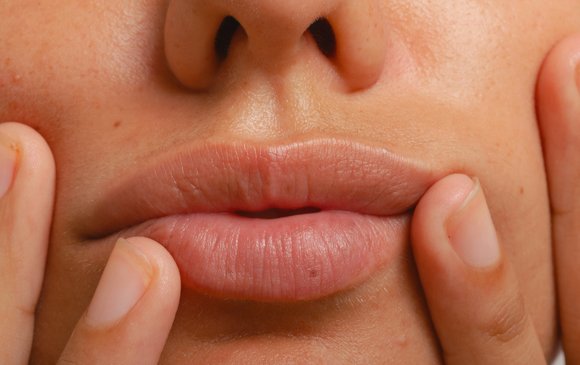
Cold sores are small ulcers that erupt around the lips and nostrils. The infections are caused by a virus known as Herpes simplex virus type I.
What happens when you get a cold sore?
Early signs include a tingling sensation in the area where the sore will develop. The skin then becomes inflamed before blisters begin to form and then crack, which can lead to ulcers or scabs. Cold sores can be itchy and painful.
How do you get cold sores?
Quite simply, they are very contagious. If someone with a cold sore kisses you, you’re likely to catch the virus that causes them.
What’s unfair about cold sores is they affect people differently. In most people exposed to the infection – up to 80% of the UK – the virus lies dormant forever. Some people may have a one-off cold sore and never get one again. For others, cold sores are a fact of life and they get around four to five episodes each year.
Things that can trigger cold sores include having a weakened immune system due to illness, stress, strong sunlight, certain foods or, if you have them, being on your period.
How long do cold sores last?
An attack can last for eight to 12 days, with more tingling every time a new cold sore arrives. Using a clean lip balm to stop a sore from drying out and peeling can speed up the healing process. Your lip balm will be contaminated once you’ve used it, however, so remember to throw it away after the sore is gone.
Are cold sores the same thing as genital herpes?
No. Suffering from cold sores doesn’t mean you’ll get genital herpes. They are similar strains of the same virus and reside in different parts of the body.
However, the virus can mutate through skin-to-skin contact so if you’ve got a cold sore, avoid oral sex or use a dental dam.
How do I stop myself from spreading cold sores?
- Wash your hands thoroughly after touching a cold sore
- Don’t rub your eyes - this can cause the virus to spread
- Avoid using shared eating utensils such as cups and cutlery until the cold sore has gone down
- Don’t kiss anyone, anywhere, until the attack is over
- Avoid all forms of oral sex or use a dental dam
How to treat cold sores
Unfortunately, there's no cure - once you have the virus, you’ll always have it, but you can treat sores when they flare up.
Topical antiviral medication can be pretty effective. If applied as soon as you feel tingling, antivirals may completely stop the sore appearing, or reduce the severity of the attack. Speak to a pharmacist or GP for advice on the right product for you.
If attacks are severe and return frequently, antivirals can be given in pill form.
You may also find that applying sunscreen to prone areas may reduce the chance of an outbreak.
How do I cover a cold sore?
First, apply antiviral cream or moisturiser to help prevent the sore from drying out. You can also buy cold sore cover-up patches. Then, carefully apply liquid foundation, followed by concealer if you need more coverage.
Always wash your hands and throw away or thoroughly clean any make up sponges or brushes you've used during an outbreak.
Published