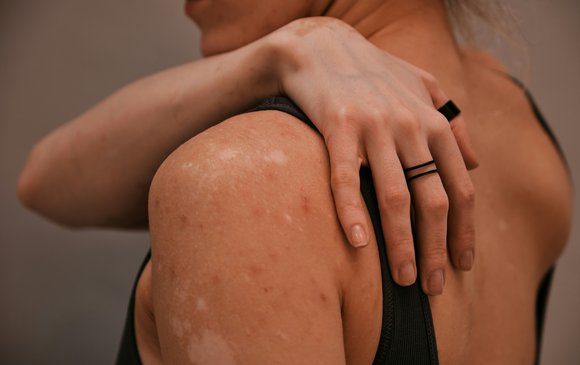
Why do I get spots on my back?
“I’m 21 and I consider myself to be fit and healthy. But I’ve started to get loads of spots on my back and I just don’t understand it. Is there anything I can do to make them go away for good?”
Most people experience spots in their teens and they can appear anywhere from the face to the neck, back or chest. Many people are also affected in their 20s and 30s. It can be pretty annoying suddenly getting spots later in life, especially if you managed to get through most of your teenage years without them, so it’s understandable if you’re wondering, ‘Why am I getting spots now?’
Causes
A healthy lifestyle (good diet, moderate exercise, low stress etc) is always going to be beneficial to your body, but unfortunately doesn’t guarantee smooth skin. If the weather's warmed up or you’ve recently started going to the gym, it could be that the extra sweating is causing the spots. Other possible reasons could be stress, a new medication, or a hormonal change causing the blocked pores on your back.
Treatment
Spots on your back and other areas of the body can generally be treated in a similar way to those on the face. Products containing Salicylic Acid are one common treatment.
Always remember to check the basics before buying lots of new products - keeping your pillowcases, sheets and towels clean can really help.
For severe acne, your GP might consider treatments like Accutane or Roaccutane.
But don't forget - body skin is different to face skin
- Body acne can be more resistant to facial treatments because body skin is thicker and there’s constant friction from clothes. Showering as soon as you can after you've been sweating can help
- If you use an acne product like Clearasil on your body, be careful not to let it get into contact with genital areas, where the skin is extremely sensitive. If you have sensitive skin generally, try a very small amount of a new product first to check you’re going to be ok with it
- If your skin isn’t responding quickly, it’s tempting to keep switching to stronger products, but going too harsh can actually make things worse. Sticking with gentler products that suit your skin type is often more effective in the long run
- Equally, more isn’t always better - using multiple treatments can irritate your skin and slow down healing. Consistency with products that are right for you is key
- And remember - those small habits can make a big difference. Changing your pillowcase and towel regularly helps to keep spot-causing bacteria at bay
Getting help from a doctor
If your spots seem resistant to shop-bought products and you’re concerned, speak to your doctor. They may be able to prescribe you a stronger treatment or refer you to a dermatologist.
It can take a few tries to find the right treatment for persistent acne, so be consistent in your treatment, try to be patient and don’t panic if you can’t get rid of them right away.
Published