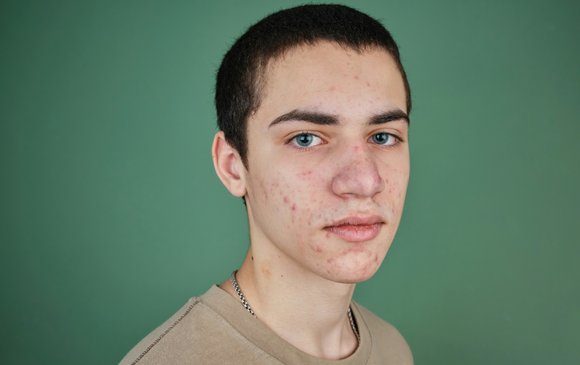
What’s the difference between spots and acne?
Medically, all spots are known as ‘acne’. Whether you have one lone lurker on your chin, a few on your chest, or a relentless, angry outbreak – doctors will refer to them acne. However, we think there’s a huge difference between the odd zit and chronic spots.
What causes spots?
Hormone levels are often responsible for spots and acne. An imbalance can over-stimulate a natural oil called sebum, causing your skin to become oily. This excess oil can block your pores - the tiny holes in your skin that allow liquid, such as sweat, to pass through.
When this happens, bacteria can breed in the blocked pore, irritating the skin and causing inflammation. That's when a spot makes an appearance.
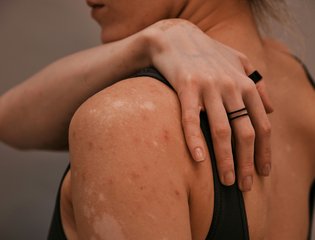
While most people experience spots in their teens, anywhere from the face, to the neck, back or chest, many are affected in their twenties, too. Like other skin conditions, acne can also run in families.
Stress is also known to sometimes trigger outbreaks or make them worse.
How to stop getting spots
If you’ve got severe acne, it’s mainly just very bad luck. You’ll be looking more for acne treatments rather than prevention.
However, if you just want to combat the odd one-off spot – there are some things you can try.
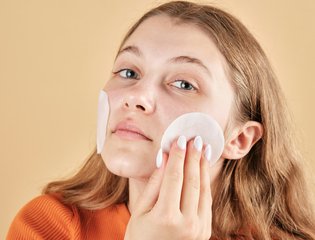
- Wash your face twice a day with warm water and a gentle cleanser. This will help to remove excess sebum from the surface of your skin and avoid blockages
- Put your pillowcases and towels through the wash regularly - otherwise they can be breeding grounds for spot-causing bacteria. Keep everything around your face clean too, including your hair and your phone screen
- Try not to touch your face too much - this increases oil production
- Reduce sugary drinks and ultra-processed foods, which can make acne worse
- Stay calm – while easier said than done, stress can cause outbreaks
How to get rid of a spot
Reducing inflammation and infection is key. There are loads of great over-the-counter products you can buy: Look for ingredients like benzoyl peroxide, salicylic acid and niacinamide.
Benzoyl peroxide is a powerful antiseptic that kills acne-causing bacteria and reduces inflammation. Salicylic acid helps clear pores and exfoliate, while niacinamide can reduce pore size and strengthen the skin barrier. Diluted tea tree oil is a cheap, natural remedy.
It’s worth having a chat with your pharmacist, as they can recommend a product with the acne-fighting ingredients to match the severity of your spots.
Should you squeeze spots?
It’s usually best to avoid, but if you can't resist, follow our guide:
Red: Don’t touch it. Squeezing now will push the contents deeper into the skin and make it even angrier.
Yellow: Squeeze away. Wash your hands first and gently use the side of your thumb and the end of one finger. Stop once the pus has been pushed out - squeezing out blood or clear fluid is only going to damage your skin. Afterwards, always dab the area with a mild antiseptic or tea tree oil.
Green: Don’t touch it. The spot is infected. Green is for ‘go to your GP’.
Black (heads): Don’t squeeze. You’ll risk pushing the blockage deeper and spreading bacteria. If you’re desperate to get rid, try incorporating pore strips, a clay mask and/or a gentle exfoliant into your routine.
Published