What is PMDD?
PMDD stands for Premenstrual Dysphoric Disorder and is commonly referred to as a ‘severe form of PMS (Premenstrual Syndrome)’. However, for those battling it, the condition is so much more…
The symptoms related to PMDD are most intense during the luteal phase of the menstrual cycle, which is the time between ovulation and bleeding. People with PMDD may experience symptoms every day or for a few days within this phase.
What are the symptoms of PMDD?
Physical symptoms of PMDD can include:
- Tender or swollen breasts
- Headaches
- Disturbed sleep pattern
- Appetite changes
- Muscle and joint pain
- Painful periods
Emotional symptoms of PMDD can include:
- Mood swings
- Lack of energy
- Feeling anxious or overwhelmed
- Feeling intense anger or irritability
- Struggling to focus
- Feeling out of control of your emotions
- Lack of interest in things you usually enjoy
- Feeling hopeless
- Feeling tearful or upset
- Suicidal thoughts
How can I manage my PMDD?
It’s important to recognise that every experience of PMDD will be slightly different and that there is still a lack of understanding around the disorder. Finding what works best for you and your symptoms can be hard, but here is a starting point of tips and advice from a young person with lived experience…
Journalling: Writing down how you feel allows you to be open and honest within a space that is yours. It can also be helpful to reflect upon and identify recurring feelings or thoughts.
Mindfulness: Whether you find peace in meditation, art or getting outdoors, practising a mindful activity can help with the emotional symptoms of PMDD. It can feel hard to make time during busy daily life, but even taking 30 minutes after work to sit down and do something that relaxes you will give you some space to breathe and reflect.
Talking: Whether it’s with a friend, partner or therapist, talking about your PMDD and how it impacts you can help you feel less alone. Always remember, you deserve to be surrounded by support and kindness, even when your brain tells you otherwise.
How can I support a loved one with PMDD?
Hold Space: Your loved one might not seem like their usual self when they’re experiencing PMDD symptoms, so it’s important to hold space for them during this time. They may seem irritable, frustrated, upset: no matter what they’re feeling, accepting every version of them will support them in feeling safe and loved during a period of intense emotions.
Educate Yourself: The more you know about PMDD, the better you can support your loved one. Educating yourself on the symptoms, signs and services will help you support them while also holding space for your own feelings.
Communicate: It might feel hard to know what is best for your loved one when they’re experiencing PMDD, so ask them! Communicating about what helps both of you can lead to deeper understanding and empathy for one another. Your loved one’s PMDD symptoms will likely have an impact on your life too, so make time to speak to them about it.
The one thing I have found more helpful than anything has been talking to others about my PMDD and how it makes me feel. The more you share with your loved ones about your reality, the easier it is for them to show up and support you.
Young Voices - Ellie's story
Ellie shares her two-year journey with PMDD and the impact it has had on her life…
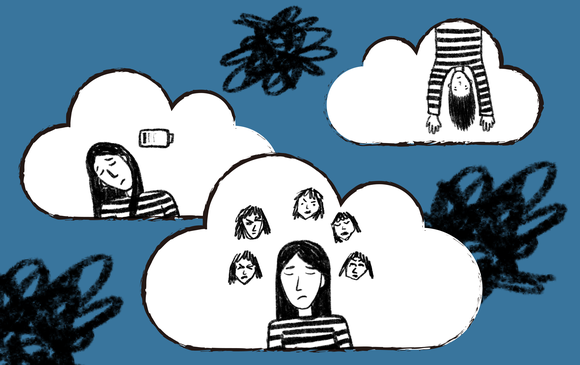
From my own experience with PMDD, my entire world feels turned upside down during the lead up to my period. I feel out of control of my own brain and body, constantly overthinking and feeling increased levels of anxiety. The combination of physical and emotional symptoms is exhausting. The more I have accepted that this version of me is impacted by things outside of my control, the more I have been able to validate and rationalise my thoughts and feelings. PMDD turns you into someone you don’t recognise, but holding space for that person is the kindest form of self-care in moments where we feel so vulnerable.
I have experienced PMDD for almost two years now and am currently trying to receive treatment, diagnosis and support. The process of realisation and acceptance is the hardest part, acknowledging the impact it has on your life and the lives of those around you. Over time, I have slowly found ways of processing and dealing with my PMDD, whilst understanding the unpredictable nature of the disorder.
I find all three of the above tips overlap in a way that has helped me to manage my PMDD, whether I take my journal to a therapy session or schedule a cup of tea and craft with a friend. If you recognise when your PMDD symptoms are most intense, let someone know – when things feel especially difficult or overwhelming, you deserve someone who will be there and listen without judgement.
Published