Antibiotics
If you see a doctor (GP) about acne it's likely that they will prescribe antibiotics, either as a lotion, cream or tablets. Antibiotics work by reducing the bacteria on your skin, which contributes to acne.
A course of antibiotics usually lasts around six months. It normally takes one to two months of treatment to start to see an improvement.
Benefits:
- They've been used for a long time
- Side effects are unlikely
- They're effective for a lot of people
Drawbacks:
- Acne often returns when people stop taking antibiotics
- Bacteria can become resistant, so it's not a long-term treatment
- It is thought that antibiotics can weaken the immune system
Roaccutane (aka Accutane or Isotretinoin)
Roaccutane is a powerful and effective drug used to treat severe acne. A compound of Vitamin A, it helps regenerate skin cells, working to reduce the size of the sebaceous glands and the amount of sebum oil production in your skin. A course normally lasts between four and six months.
In the UK, Roaccutane (which is also called Accutane or Isotretinoin - they’re the same thing) can only be prescribed by a dermatologist, which means you’ll need a referral from your GP and will have to join a waiting list. Privately, you can see a dermatologist straight away.
Side effects
Like all medicines, Roaccutane can cause side effects.
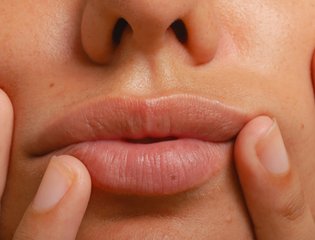
Common side effects such as dry skin, eyes, nose or lips; a sore or dry mouth or throat; and muscular aches and pains will usually go away when you stop treatment.
Roaccutane can also have more serious side effects, including ones that can affect your mental and sexual health.
Roaccutane price
If you don’t want to wait for an NHS prescription, you can pay to see a dermatologist privately.
In this case, there would be a cost for your initial consultation, any follow up appointments and the drug itself. The price for your treatment will depend on the dose that you're prescribed.
Benefits:
- Very effective - most people, even those with severe acne, will see a significant improvement
- Can prevent future scarring
- Most acne does not return after finishing the course
Drawbacks:
- Common side effects include dry skin and lips (lip balms like Vaseline are a must)
- Less common side effects include joint pain and nose bleeds
- Severe side effects are possible, including ones that can impact your mental health
- Starting treatment isn’t always possible on the NHS and it's very expensive to go private
- Roaccutane harms unborn babies so users should not get pregnant while taking the drug, or for six months after
Other approaches
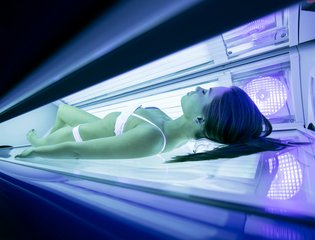
If treatment with antibiotics hasn't worked or Roaccutane or isn’t right for you, other therapies can be considered. These might include topical retinoids, hormonal therapies, or laser and light therapies.
Published