Tattoo bruising and tattoo swelling
If you’ve just had a tattoo for the first time you're probably excited to show it off. But what if it doesn’t look quite like you expected?
Minor reactions to tattoos are common and most fade within a week, so don’t panic, especially if you tend to bruise easily.
What causes bruising and swelling?
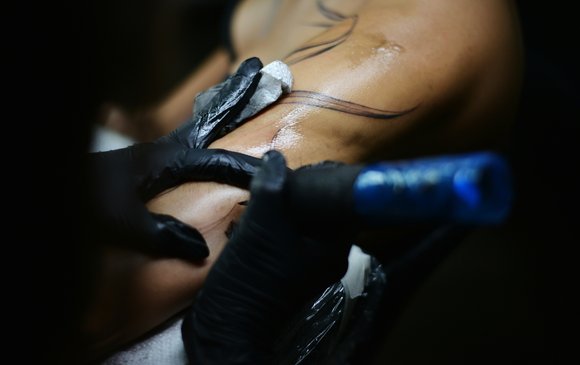
Tattooing, in particular the action of the needle, can be a shock to your body. Hundreds or thousands of tiny pin pricks to the surface of the skin can cause some irritation and pain (how much depends on the tattoo location and style).
Some bruising or swelling is usually just a sign that your body is healing by sending more blood to the affected area and is not usually anything to worry about.
Allergic reaction are rate, but if you’re concerned always speak to a doctor or phone 111.
Is swelling after a tattoo normal?
“Yesterday I had a tattoo done on my foot and now it’s now swollen and bruised. Is this normal? If so, how long can I expect it to last?”
It’s normal to be concerned after having a tattoo – it’s a major change for your body – but swelling after a tattoo is perfectly normal right after it has been done.
How long does it take to heal after a tattoo?
It will usually take a week or two for a tattoo to heal over. After this point, your skin is still in recovery and may take over a month to fully heal - it depends on the size and style you've had.
Tattoo aftercare
The bandage put on by the tattoo artist should be removed shortly afterwards (they'll advise you) and gently washed in warm water. After the first day new skin forms on the surface of your tattoo, making it sensitive to abrasives like certain cleanser and towels. Keep the area clean once or twice a day using your hands and apply an ointment to aid the healing process.
It’s important to follow the guidelines set out by your tattoo artist and, if you have any concerns about the way that your tattoo is healing, it's worth checking in with them as soon as possible. Alternatively, speak to your doctor, who should be able to advise you if something doesn't look right.
More support with tattoos and piercings
In addition to understanding common tattoo side effects, always go to a reputable studio and follow proper aftercare and hygiene practices.
Your tattoo artist will talk you through their aftercare instructions, which will include how to keep your new tattoo clean and moisturised. These steps aid the healing process and help to minimise risks such as infection.
Feel free to ask them any questions - they're there to ensure you have a good experience.
Published