What is eczema?
The word eczema means ‘to boil’. It describes an inflammation of the skin that can cause dryness and intense itching. Eczema is not contagious, but it does affect up to 10% of the population. There are many types of eczema. Some are more common than others:
- Atopic eczema is most common among young children, but can continue into adulthood. Symptoms include dryness and itchiness of the skin, and it's sometimes associated with allergies
- Seborrhoeic eczema is more common in young adults and affects oily areas of the body like the scalp, face, groin and chest
- Discoid eczema appears as inflamed circular patches, usually on the back of the hands or legs
- Contact eczema occurs when the skin is sensitive to particular substances. Exposure to soaps and detergent can cause irritant eczema, while a reaction against material such as rubber or chrome is often responsible for allergic eczema
- Pompholyx (dyshidrotic eczema) causes tiny blisters to develop across the fingers, palms of the hands and sometimes the soles of the feet
Eczema causes
Unfortunately, there’s no straightforward answer: eczema can be triggered by a combination of immune system activation, genetics, environmental triggers and stress.
If you have eczema, your immune system overreacts to small irritants or allergens, and this overreaction is what inflames your skin.
How to cope
- Try to keep itching to a minimum with regular application of moisturising and emollient creams. This traps water in the skin and helps to prevent it from drying out
- Topical steroids that soothe eczema flare-ups are available over-the-counter and on prescription, as are antibiotics for cases where the affected skin has become infected
- Go for natural cotton bedding and clothing, as synthetic materials can aggravate eczema
- Stress and worry can make the condition worse. Learn to keep on top of your emotions by talking about how you feel and how the condition is affecting you
- Make sure friends and family know the facts about living with eczema. The more they understand about the condition, the easier it’ll be on you
- Many types of eczema actually improve with warmth and sunshine. However, those with irritated skin should take extra care in their choice of sun protection, using a lotion-based sunscreen with a sun protection factor of 15 or above
Eczema treatment
One of the most common things a pharmacist or doctor might recommend is a type of steroid called hydrocortisone. There is a variety of corticosteroid eczema creams, solutions, gels, foams and ointments are all made with hydrocortisone steroids. This topical treatment can quickly relieve itching and reduce inflammation.
While seeking medical advice should be your first port of call with eczema, many people find that eliminating certain foods from their diet can help. According to ‘The Journal of Allergy and Clinical Immunology: In Practice study’, the most common triggers for 183 study participants were milk (57.5%), eggs (30.6%), and soy (21%).
Eczema on hands
Aside from over-the-counter steroid-based treatments, emollients provide relief for people with eczema. They can be used frequently throughout the day (even when you’re not having a flare-up) to keep the skin moist and comfortable.
Wearing gloves to lower the chance your hands will interact with any irritants, such as cleaning products, might help you to manage your symptoms. Even when the eczema has cleared, the hands can remain very sensitive, so ‘double gloving’ (a term we just invented) cotton gloves with rubber gloves might be helpful if you’re cleaning the house, as can using household products designed for sensitive skin.
Eczema on face
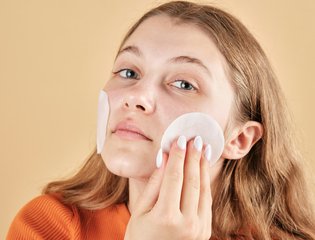
Along with keeping moisturised using emollients and any other topical treatment recommended by your doctor, you should avoid overly hot showers and be careful about skin care and make up choices. Choose gentle products designed for sensitive skin, and test new products out on a small patch of skin first.
Using sunbeds for eczema
Exposure to sunlight can help some people with eczema, but for others it makes the condition worse, particularly if heat and/or sweat are triggers for you.
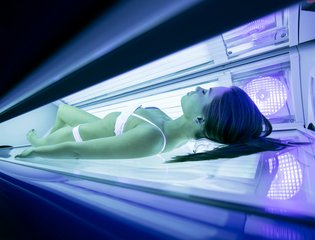
Unfortunately, using sunbeds for eczema isn't recommended, either - while research has shown that exposure to UV light may help reduce skin inflammation, thereby alleviating some of the dryness, itching and rash that characterise eczema - they are not safe to use.
Phototherapy is a newer treatments available for eczema. Now available on the NHS, it involves exposing the affected skin to UV light to help reduce the symptoms of eczema. Speak to your doctor to see if this could be something appropriate for you, and to understand the benefits and risks.
Perhaps the most important thing we get from actual sunlight (which we don’t get from sunbeds) is vitamin D, which everyone in the northern hemisphere should be taking supplements for during winter. Vitamin D is an important part of immune function, and many people find that taking supplements can improve their eczema symptoms.
Hopefully you've found a few useful points her to help with your symptoms. It’s important to remember when you’re having a bad flare-up that you're not alone, things can certainly get better, and you won’t feel like this forever.
Published