TLDR: Signs of an emotionally abusive relationship
Healthy relationships feel safe, respectful and balanced — both people listen, care about each other’s feelings and can disagree without fear.
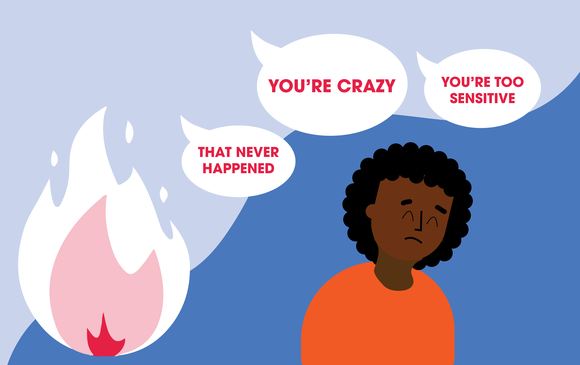
Abuse isn’t just physical. Controlling behaviour, insults, manipulation, pressure for sex or making you feel scared or worthless are all signs of emotional abuse.
Leaving can feel dangerous or complicated — fear, love, money, housing, children or isolation can make it hard to get out.
Tell someone you trust and seek support. Keeping a record of what’s happening and contacting specialist services can help you stay safe.
Listen without judgement, remind them it’s not their fault, and encourage them to reach out for professional support when they’re ready.
How can you tell if you’re in a healthy relationship? What are the warning signs that things aren’t right? We spoke to JJ from Solace Women’s Aid to better understand and dispel the myths surrounding abuse, including how to identify the signs of an emotionally abusive relationship.
What is an abusive relationship?
Perhaps you think you have experienced abuse, but you’re not sure. There are many myths about abuse. What myths do is create a negative stereotype of survivors. They are harmful, and often place the blame on the victim and not the perpetrator. Myths also reinforce that domestic abuse is a private matter, and this can make people feel more isolated, and unable to leave an abusive relationship.
Here are some common myths and misconceptions about abusive relationships and why they are wrong:
“Why do they stay in an abusive relationship?”
Actually, abusive relationships are very complicated. Someone could stay in an abusive relationship for a number of reasons including: fear, children, security, further abuse, and if they are unaware of their rights and options. When someone does decide to leave an abusive partner, this is when they are most at risk.
“I fight back, so I must be just as bad as they are!”
Abuse is a power and control issue. People who fight back may be defending themselves or their children, and many do not, for fear of further abuse.
“They haven’t hit me, so it’s not abuse”
Abuse is not just physical violence – it can also include emotional, sexual, psychological and financial abuse. Many survivors say that the emotional and psychological abuse they experience can be the most difficult to overcome.
“It’s just a family argument!”
Abuse is never just a family argument. As mentioned above, abuse comes in many forms. If someone is in fear and feels threatened by their perpetrator, who is in control and has all the power, this is not a family argument.
What are the common ways an abuser can act?
If you recognise several of the following behaviours or characteristics in your partner they are considered signs of an emotionally abusive relationship:
- Daily life revolves around what they need or wants
- They believe they are the head of the household
- They treat you more like a servant than a partner or family member
- If they help around the house, they think they should be thanked (or they never help around the house)
- When they want something, they want it immediately (including sex)
- They talk about themselves all the time
- They rarely (or never) ask about you or how you’re feeling
- Things were okay until the baby came, then you had to spend less time with them and their behaviour changed
- They’re easily bored, especially with things that interest you
- If they have a problem, everyone has to drop everything to help them
- They believe they are smarter than most other people
- They are extremely critical of people, including friends and family, and even children
- They make it clear (or imply) that they are better than you
- They are easily offended or feel “dissed” at minor things
- When something goes wrong, it’s never their fault
- They make fun of you and call you demeaning names
- They make fun of your children when they make a mistake
- They can never apologise or say they were wrong about anything
- They think anyone who disagrees with them is wrong
- Even when you’re really upset (like when somebody close to you dies), they expect their daily routine will continue
- If something nice happens for you (e.g. you pass your driving test) they can’t be happy for you
How do I get out of an emotionally abusive situation?
If you think you’re in an emotionally abusive situation, the first step is to tell someone. Speak to a trusted close friend, family member or even a counsellor about how you feel. This will give you a little perspective. The behaviour you thought was normal may seem unreasonable to an outsider.
You could also:
- Keep a diary of everything that happens so you have a record of the abuser’s behaviour
- Write your concerns in a letter and give it to a trusted adult, friend or family member
- Contact the police. Coercive control within intimate and family relationships is a crime
- You can seek professional help from any of the services listed at the end of this article.
How can I help someone else who I think is being emotionally abused?
It can be hard to help a friend going through an abusive situation, especially if they don’t recognise the abuse themselves. If you see emotional abuse in a marriage or any other relationship you can try talking to them. Do it gently and be sure to stress that you’re coming from a place of love, not malice.
Tell them you think they’re not being treated right and that it might be emotional abuse. Let them know you’ll always be there for them, but this might be a good time to seek professional help.
Do you feel unsafe?
There are many reasons why you might feel unsafe, and it’s important to know that you’re not alone. One in five teenagers have been physically abused by their partner, with the number as high as one in three for teenage girls.
If you are worried about your safety, or concerned that you or a friend or family member may be in danger, you can speak to someone on the Solace Women’s Aid Advice Line at 0808 802 5565 or send an email/live chat to someone at Women’s aid.
For further help and support, Women’s Aid protects women from domestic violence. Call their 24-hour helpline on 0808 2000 247.
Published